
Probiotics and synbiotics may have modest effects on weight loss and body fat reduction, but evidence is generally of very low certainty and strain-specific effects are important.
What the research shows
Multiple high-quality studies including systematic reviews and randomized controlled trials indicate that probiotics alone may have little to no significant effect on BMI, body weight, waist circumference, or body fat in children, adolescents, and adults with overweight or obesity. Some evidence suggests that prebiotics, synbiotics, and short-chain fatty acids (SCFAs) might contribute to small reductions in BMI, body weight, waist circumference, and systolic blood pressure, but the certainty of this evidence is very low due to small sample sizes and limited studies. Specific Lactobacillus strains have shown mixed results, with some strains associated with weight loss and others with no effect or weight gain, highlighting the importance of strain specificity. Synbiotic supplementation combined with weight loss programs may modulate gut microbiota and improve metabolic markers but does not consistently enhance weight loss outcomes. Probiotic supplementation alongside caloric restriction did not significantly improve weight loss compared to caloric restriction alone but may improve anxiety and depressive symptoms. Overall, probiotics and synbiotics may support weight management as part of a multifaceted approach but are not standalone solutions for weight loss.
Best studied probiotic strains
Lactobacillus plantarum
Effect is strain-specific and often combined with dietary interventions.
Lactobacillus rhamnosus
Strain-specific effects; benefits seen when combined with diet.
Lactobacillus acidophilus NCFM, Lactobacillus rhamnosus HN001, Lactobacillus paracasei Lpc-37, Bifidobacterium lactis HN019
Probiotic supplementation did not enhance weight loss but may improve mental health parameters.
Who may benefit
Safety
Probiotic, prebiotic, synbiotic, and SCFA interventions were generally safe with low incidence of mild adverse events such as abdominal discomfort, nausea, headache, and migraine reported in some studies.
Limitations
Evidence is limited by very low certainty due to small sample sizes, short intervention durations, heterogeneity of probiotic strains and formulations, lack of strain-specific data in many studies, and insufficient reporting of adverse events. Many studies combined probiotics with other interventions, making it difficult to isolate effects. More rigorous, longer-term, strain-specific trials are needed.
PubMed sources
| Study | Type | Year | PMID |
|---|---|---|---|
| Gut microbiome-based interventions for the management of obesity in children and adolescents aged up to 19 years. The Cochrane database of systematic reviews |
Systematic Review | 2025 | 40637175 |
| Effects of Synbiotic Supplement on Human Gut Microbiota, Body Composition and Weight Loss in Obesity. Nutrients |
Randomized Controlled Trial | 2020 | 31952249 |
| Modulatory Effects of Multi-species/Multi-strain Synbiotic and L-carnitine Concomitant Supplementation on Atherogenic-Indices, Body Composition, Visceral Obesity, and Appetite in Metabolically Healthy Women with Obesity: A Double-Blind Randomized Controlled Clinical Trial. Probiotics and antimicrobial proteins |
Randomized Controlled Trial | 2025 | 39921845 |
| Metabolic adaptation is an illusion, only present when participants are in negative energy balance. The American journal of clinical nutrition |
Randomized Controlled Trial | 2020 | 32844188 |
| Effect of caloric restriction with probiotic supplementation on body composition, quality of life, and psychobiological factors of obese men: A randomized, double-blinded placebo-controlled clinical trial. Clinical nutrition (Edinburgh, Scotland) |
Randomized Controlled Trial | 2025 | 39842252 |
| Effect of Lactobacillus on body weight and body fat in overweight subjects: a systematic review of randomized controlled clinical trials. International journal of obesity (2005) |
Systematic Review | 2017 | 28792488 |
| Effect of Intake on Body Weight and Body Fat in Overweight and Obese Adult Subjects: A Systematic Review and Meta-Analysis. Journal of the American Nutrition Association |
Meta-analysis | 2024 | 38498828 |
| Effects of Probiotic Supplementation Added to a Weight Loss Program on Anthropometric Measures, Body Composition, Eating Behavior, and Related Hormone Levels in Patients with Food Addiction and Weight Regain After Bariatric Surgery: A Randomized Clinical Trial. Obesity surgery |
Randomized Controlled Trial | 2024 | 39117856 |
| A multifaceted lifestyle program for weight loss in overweight adults: evidence from a randomised clinical trial. European journal of nutrition |
Randomized Controlled Trial | 2026 | 41524907 |
| Effects of Probiotics and Synbiotics on Weight Loss in Subjects with Overweight or Obesity: A Systematic Review. Nutrients |
Systematic Review | 2021 | 34684633 |
Products containing microorganisms linked to this analysis
These products contain microorganisms identified in the research analysis above.
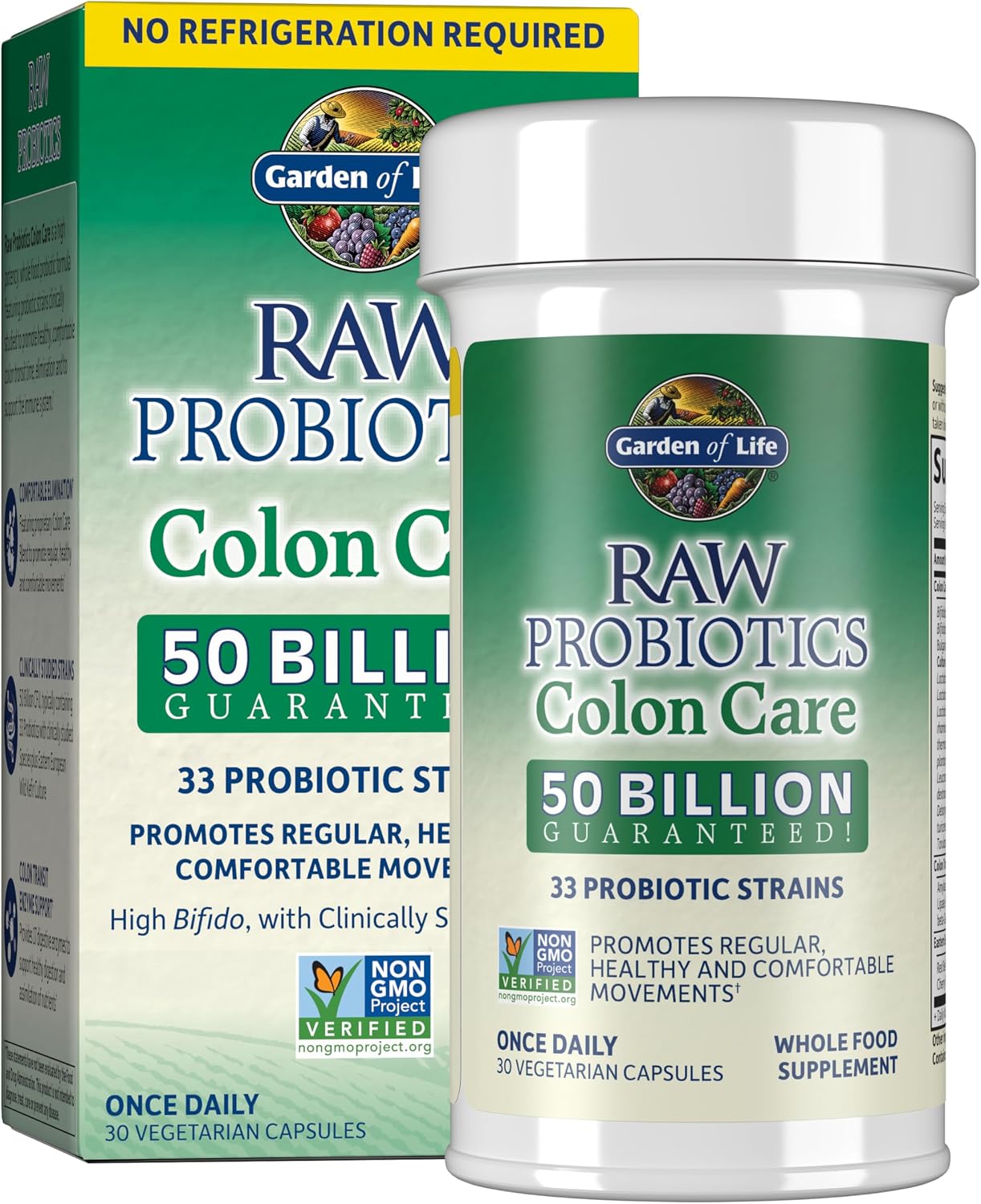
Garden of Life Probiotics for Women and Men - Raw Probiotics Colon Care
Lactiplantibacillus plantarum
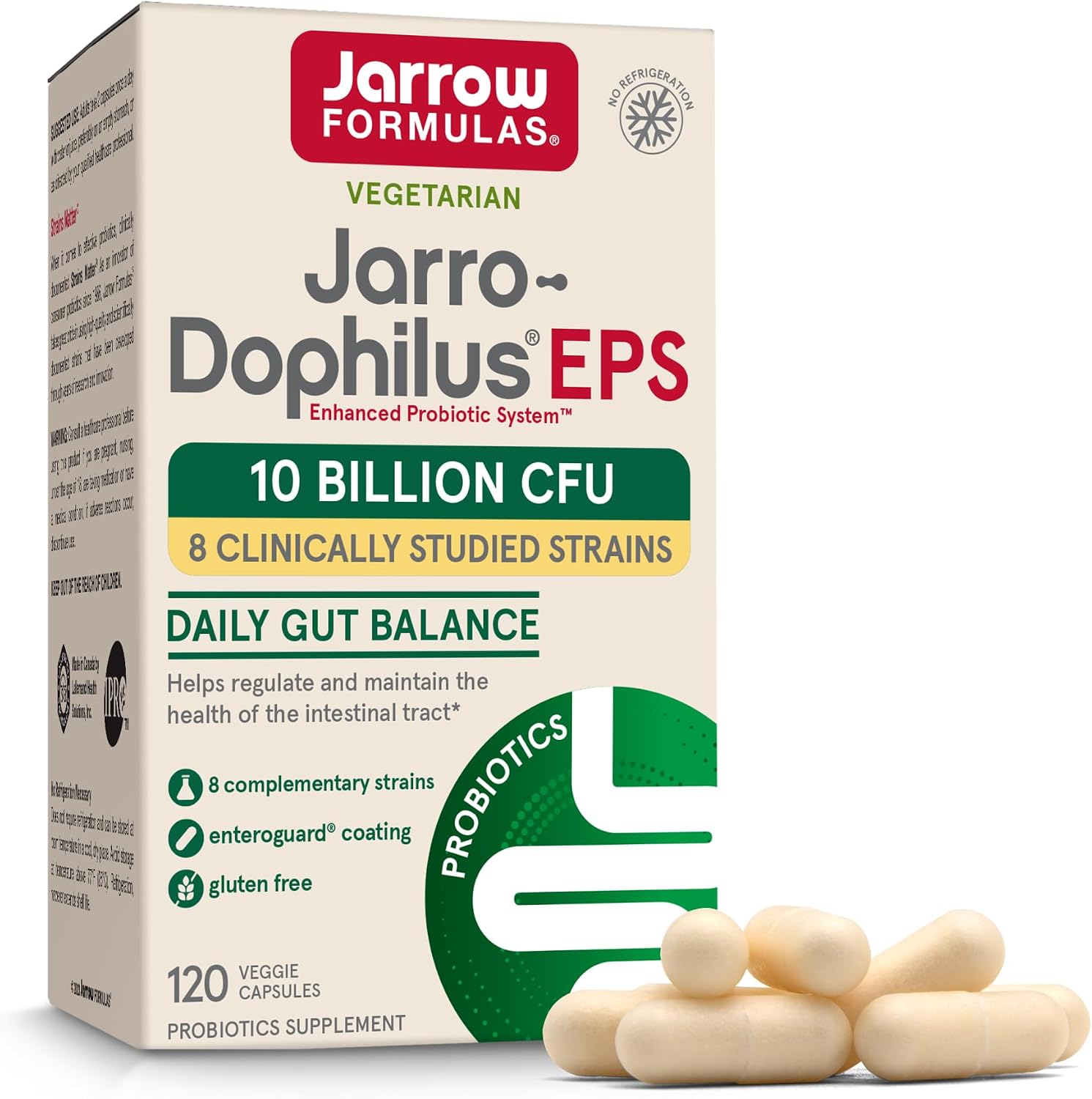
Jarrow Jarro Dophilus Probiotics
Lactiplantibacillus plantarum