
Current high-quality clinical evidence suggests that certain probiotic formulations can improve sexual function and libido-related outcomes in specific populations, particularly in individuals with depression undergoing SSRI treatment, women with polycystic ovary syndrome (PCOS), and postmenopausal women. Improvements are also noted in sexual satisfaction and related quality of life measures. However, evidence is strain-specific and population-specific, and broader claims about probiotics improving libido in the general population are not yet established.
What the research shows
Several high-quality randomized controlled trials (RCTs) provide evidence that probiotics can improve sexual function and libido-related outcomes in targeted populations. In women with depressive disorder treated with SSRIs, a probiotic mixture including Bifidobacterium bifidum and Lactobacillus species improved sexual function (FSFI scores), sexual satisfaction, and reduced depression severity (PMID: 38216917). A similar RCT in men with mild to moderate depression on SSRIs showed that Lactofem (a probiotic mixture) combined with Escitalopram improved erectile function, sexual desire, orgasmic function, and overall sexual satisfaction compared to Escitalopram alone (PMID: 42059569). In women with PCOS, probiotic supplementation alongside letrozole improved sexual function scores and pregnancy rates (PMID: 36096842). Postmenopausal women receiving Lactobacillus acidophilus showed improved sexual function and menopause-related quality of life (PMID: 41326645). Another RCT in postmenopausal women reported that probiotic supplementation improved fatigue severity and sexual function (PMID: 41186601). Additionally, a probiotic Lactiplantibacillus plantarum strain improved sexual health domains related to mood and anxiety in healthy women (PMID: 40008414). These studies highlight strain-specific and condition-specific benefits rather than generalizable effects. Other studies on probiotics and the gut-brain axis suggest potential mechanisms involving neurotransmitter modulation, immune regulation, and hormonal effects, but direct evidence on libido is limited. Systematic reviews and meta-analyses on probiotics and appetite or eating behavior show mixed results and do not directly address libido. Overall, the evidence supports that probiotics may improve sexual function and libido-related outcomes in populations with depression, hormonal imbalances, or menopausal symptoms, but evidence in healthy populations or for general libido enhancement is lacking.
Best studied probiotic strains
Bifidobacterium bifidum (part of Lactofem mixture)
Studied for: Depression with SSRI-induced sexual dysfunction in women
Used in combination with Lactobacillus acidophilus, L. rutri, and L. fermentum in Lactofem; effects observed in depressed women on SSRIs.
Lactofem probiotic mixture (including Bifidobacterium bifidum and Lactobacillus species)
Studied for: Depression with SSRI-induced sexual dysfunction in men
Adjunctive therapy with SSRI; large sample size; culturally homogenous population; no placebo control.
Lactobacillus acidophilus
Studied for: Sexual dysfunction in premenopausal and menopausal women
Single strain probiotic; improvements noted in sexual function and quality of life domains.
Probiotic mixture (unspecified strains) plus letrozole
Studied for: Polycystic ovary syndrome (PCOS)
Probiotic used as adjunct to letrozole; strain details not specified; population limited to Iranian women with PCOS.
Lactiplantibacillus plantarum Probio87
Studied for: General women's health and sexual function
Effects likely mediated via immunomodulation and neurotransmitter pathways; evidence from healthy population.
Who may benefit
Safety
The probiotic interventions reported in the high-quality RCTs were generally well tolerated with no serious adverse events reported. For example, the SB-121 probiotic formulation containing Limosilactobacillus reuteri was safe and well tolerated in autistic participants (PMID: 36997569). No significant safety concerns were noted in studies involving Lactobacillus acidophilus, Bifidobacterium bifidum, or Lactiplantibacillus plantarum. However, long-term safety data and studies in broader populations are limited.
Limitations
Evidence is largely limited to specific populations such as individuals with depression on SSRIs, women with PCOS, and menopausal women; generalizability to healthy populations or other conditions is unclear. Strain-specific effects are important, and many studies used probiotic mixtures without isolating individual strain effects. Sample sizes vary, and some studies lack placebo controls or long-term follow-up. Cultural and demographic homogeneity in some trials limits applicability to diverse populations. Mechanistic understanding remains incomplete, and more large-scale, well-controlled trials are needed to confirm findings and establish optimal strains, dosages, and treatment durations.
PubMed sources
| Study | Type | Year | PMID |
|---|---|---|---|
| Adjuvant administration of probiotic effects on sexual function in depressant women undergoing SSRIs treatment: a double-blinded randomized controlled trial. BMC psychiatry |
Randomized Controlled Trial | 2024 | 38216917 |
| Adjuvant administration probiotic effects on sexual function in depressant men undergoing selective serotonin reuptake inhibitor treatment: a double-blinded randomized controlled trial. The journal of sexual medicine |
Randomized Controlled Trial | 2026 | 42059569 |
| Probiotic effects on sexual function in women with polycystic ovary syndrome: a double blinded randomized controlled trial. BMC women's health |
Randomized Controlled Trial | 2022 | 36096842 |
| The effect of probiotic supplementation on sexual function in premenopausal and menopausal women: a randomized controlled clinical trial. Scientific reports |
Randomized Controlled Trial | 2025 | 41326645 |
| The effect of probiotic consumption on fatigue severity and sexual function among postmenopausal women: a double-blind randomized controlled trial in the west of Iran. Menopause (New York, N.Y.) |
Randomized Controlled Trial | 2026 | 41186601 |
| Probiotic enhanced immunity and mental wellbeing of generally healthy women: a randomised, placebo-controlled and double-blind study. Beneficial microbes |
Randomized Controlled Trial | 2025 | 40008414 |
| Results of a phase Ib study of SB-121, an investigational probiotic formulation, a randomized controlled trial in participants with autism spectrum disorder. Scientific reports |
Randomized Controlled Trial | 2023 | 36997569 |
Products containing microorganisms linked to this analysis
These products contain microorganisms identified in the research analysis above.
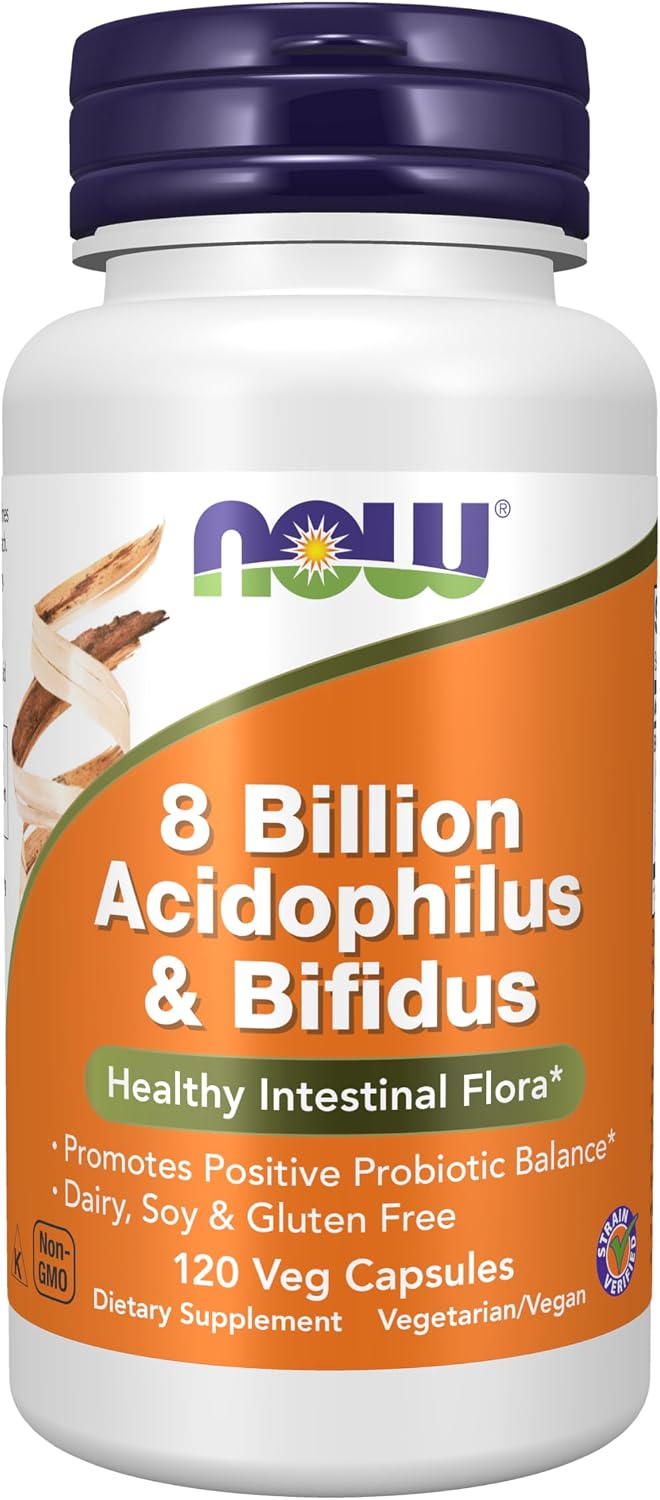
NOW Foods Supplements Acidophilus & Bifidus
Lactobacillus acidophilus La-14
Strain code: La-14
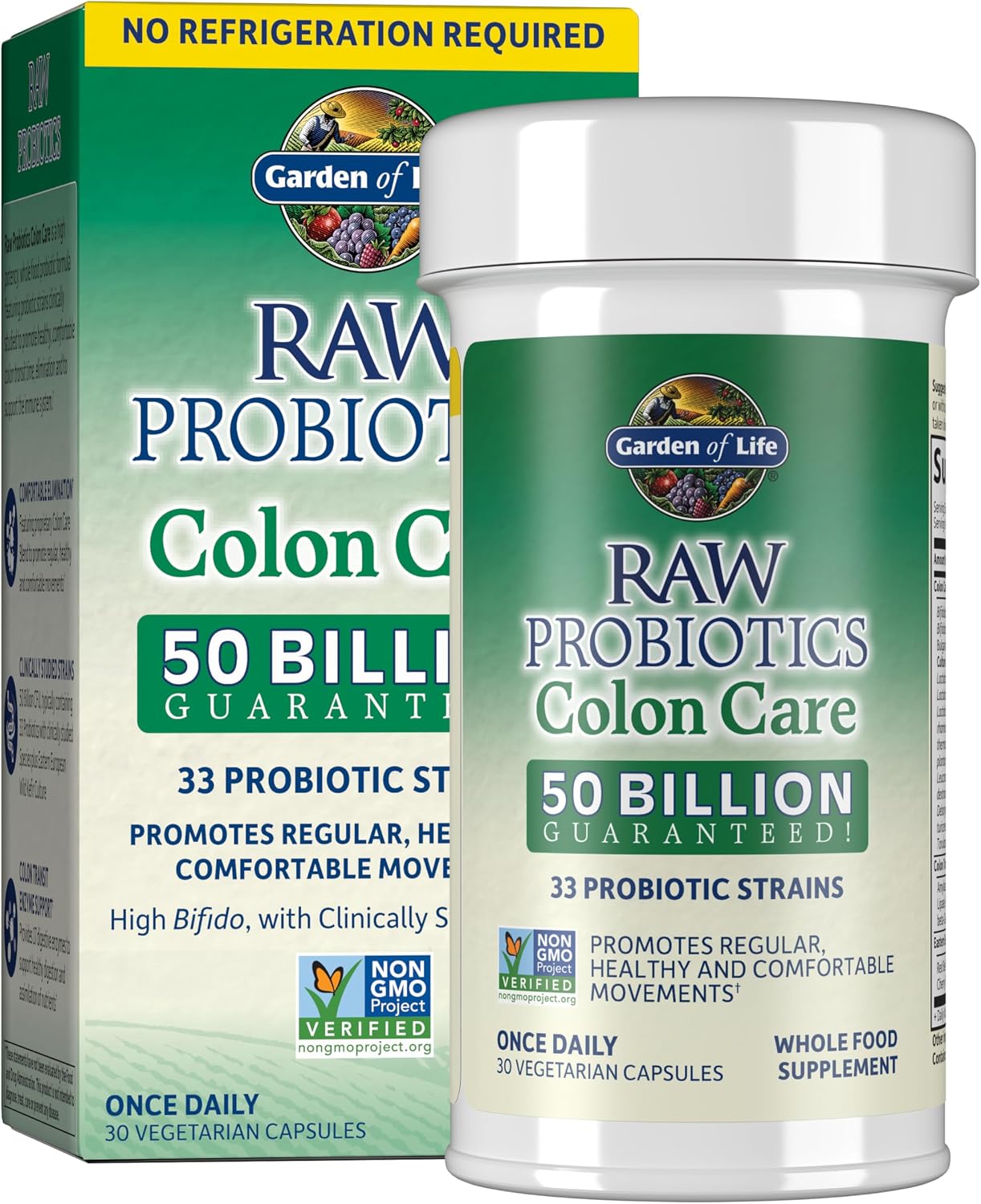
Garden of Life Probiotics for Women and Men - Raw Probiotics Colon Care
Lactobacillus acidophilus SD-5221
Strain code: SD-5221