
Probiotics may improve sexual function and satisfaction in specific populations such as women and men with depression treated with SSRIs, women with polycystic ovary syndrome, and postmenopausal women. Evidence also suggests potential benefits in sexual function in multiple sclerosis patients and pessary users. However, effects are strain-specific and population-specific, and evidence is limited to certain clinical contexts rather than general sexual health improvement.
What the research shows
Several high-quality randomized controlled trials (PMID: 38216917, 42059569) demonstrated that probiotic supplementation (including strains like Bifidobacterium bifidum and Lactobacillus acidophilus as part of multi-strain products such as Lactofem) improved sexual function and satisfaction in women and men with depressive disorders undergoing SSRI treatment. Another RCT (PMID: 36096842) showed improved sexual function and pregnancy rates in women with polycystic ovary syndrome receiving probiotics plus letrozole. Postmenopausal women also showed improved sexual function and quality of life with Lactobacillus acidophilus supplementation (PMID: 41326645, 41186601). In patients with progressive multiple sclerosis, synbiotics improved sexual function alongside fatigue and pain (PMID: 37651846). Vaginal Lactobacillus acidophilus tablets provided satisfaction comparable to ultra-low-dose oestriol in pessary users (PMID: 40464696). These findings indicate probiotics may benefit sexual function in specific clinical populations, often linked to underlying conditions affecting sexual health. Evidence from athletic performance and general population studies does not support broad claims of probiotics improving sexual function. Safety profiles were generally favorable with rare adverse events reported. Limitations include population specificity, short intervention durations, and lack of long-term follow-up.
Best studied probiotic strains
Bifidobacterium bifidum (part of Lactofem multi-strain product)
Studied for: Depression with SSRI-induced sexual dysfunction in women
Used in combination with Lactobacillus acidophilus, L. rutri, and L. fermentum; effects observed as adjunct to SSRI treatment.
Multi-strain Lactofem (including Bifidobacterium bifidum and Lactobacillus acidophilus)
Studied for: Depression with SSRI-induced sexual dysfunction in men
Adjunctive therapy with SSRI; large sample size; cultural and demographic limitations.
Lactobacillus acidophilus
Studied for: Premenopausal and menopausal women with sexual dysfunction
Single strain supplementation; improvements in sexual function and quality of life.
Bacillus coagulans
Studied for: Immune-related conditions
Evidence for sexual function improvement is indirect; primarily immune and quality of life benefits.
Lactobacillus crispatus (intravaginal)
Studied for: Bacterial vaginosis
Improves vaginal microbiota and health, which may influence sexual satisfaction.
Bifidobacterium longum subsp. infantis (part of multi-strain probiotic)
Studied for: Athletic performance
Performance-related benefits may indirectly affect sexual health; combined with casein.
Who may benefit
Safety
Probiotic supplementation was generally well tolerated across studies with rare and mild adverse events reported. No serious safety concerns were identified in the reviewed trials involving various strains including Bifidobacterium bifidum, Lactobacillus acidophilus, Bacillus coagulans, and others. However, long-term safety data are limited.
Limitations
Most evidence is limited to specific clinical populations (e.g., depression with SSRI treatment, PCOS, postmenopausal women) and may not generalize to healthy individuals seeking sexual function improvement. Intervention durations were typically short (6-8 weeks). Some studies had limited sample sizes or were conducted in culturally homogenous populations. There is a lack of long-term follow-up data. Effects are strain-specific and cannot be generalized across all probiotics. Evidence for direct improvement of sexual function in healthy populations is lacking. More large-scale, diverse, and long-term RCTs are needed.
PubMed sources
| Study | Type | Year | PMID |
|---|---|---|---|
| Adjuvant administration of probiotic effects on sexual function in depressant women undergoing SSRIs treatment: a double-blinded randomized controlled trial. BMC psychiatry |
Randomized Controlled Trial | 2024 | 38216917 |
| Adjuvant administration probiotic effects on sexual function in depressant men undergoing selective serotonin reuptake inhibitor treatment: a double-blinded randomized controlled trial. The journal of sexual medicine |
Randomized Controlled Trial | 2026 | 42059569 |
| Probiotic effects on sexual function in women with polycystic ovary syndrome: a double blinded randomized controlled trial. BMC women's health |
Randomized Controlled Trial | 2022 | 36096842 |
| The effect of probiotic supplementation on sexual function in premenopausal and menopausal women: a randomized controlled clinical trial. Scientific reports |
Randomized Controlled Trial | 2025 | 41326645 |
| The effect of probiotic consumption on fatigue severity and sexual function among postmenopausal women: a double-blind randomized controlled trial in the west of Iran. Menopause (New York, N.Y.) |
Randomized Controlled Trial | 2026 | 41186601 |
| Anti-inflammatory-antioxidant modifications and synbiotics improved health-related conditions in patients with progressive forms of multiple sclerosis: A single-center, randomized clinical trial. Complementary therapies in clinical practice |
Randomized Controlled Trial | 2023 | 37651846 |
| Comparison of vaginal moisturisers with ultra-low-dose oestriol and lactobacillus vaginal tablets in women with POP who used a pessary: a randomised controlled trial. Journal of obstetrics and gynaecology : the journal of the Institute of Obstetrics and Gynaecology |
Randomized Controlled Trial | 2025 | 40464696 |
| Pre-sleep casein ingestion with probiotic strains improves anaerobic power and lower-body-specific strength and power performance in soccer players. Journal of the International Society of Sports Nutrition |
Randomized Controlled Trial | 2025 | 40353739 |
Products containing microorganisms linked to this analysis
These products contain microorganisms identified in the research analysis above.
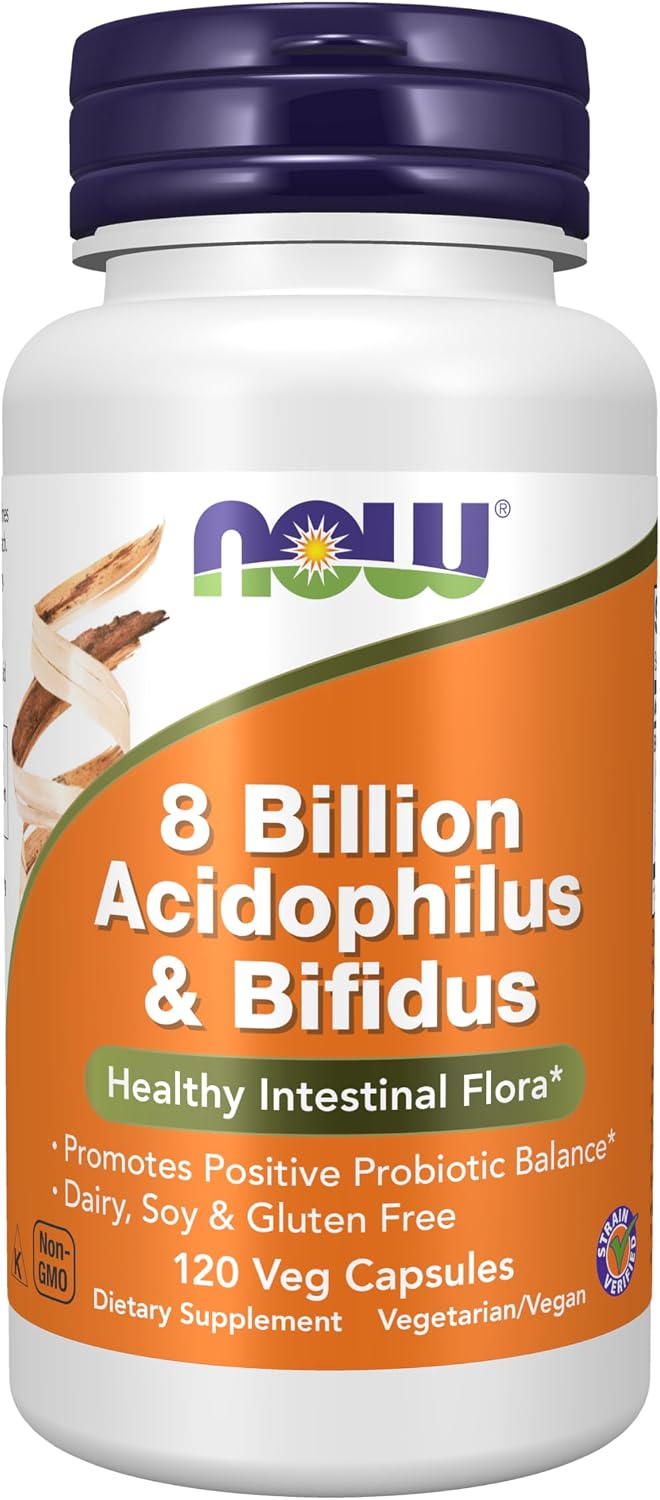
NOW Foods Supplements Acidophilus & Bifidus
Lactobacillus acidophilus La-14
Strain code: La-14
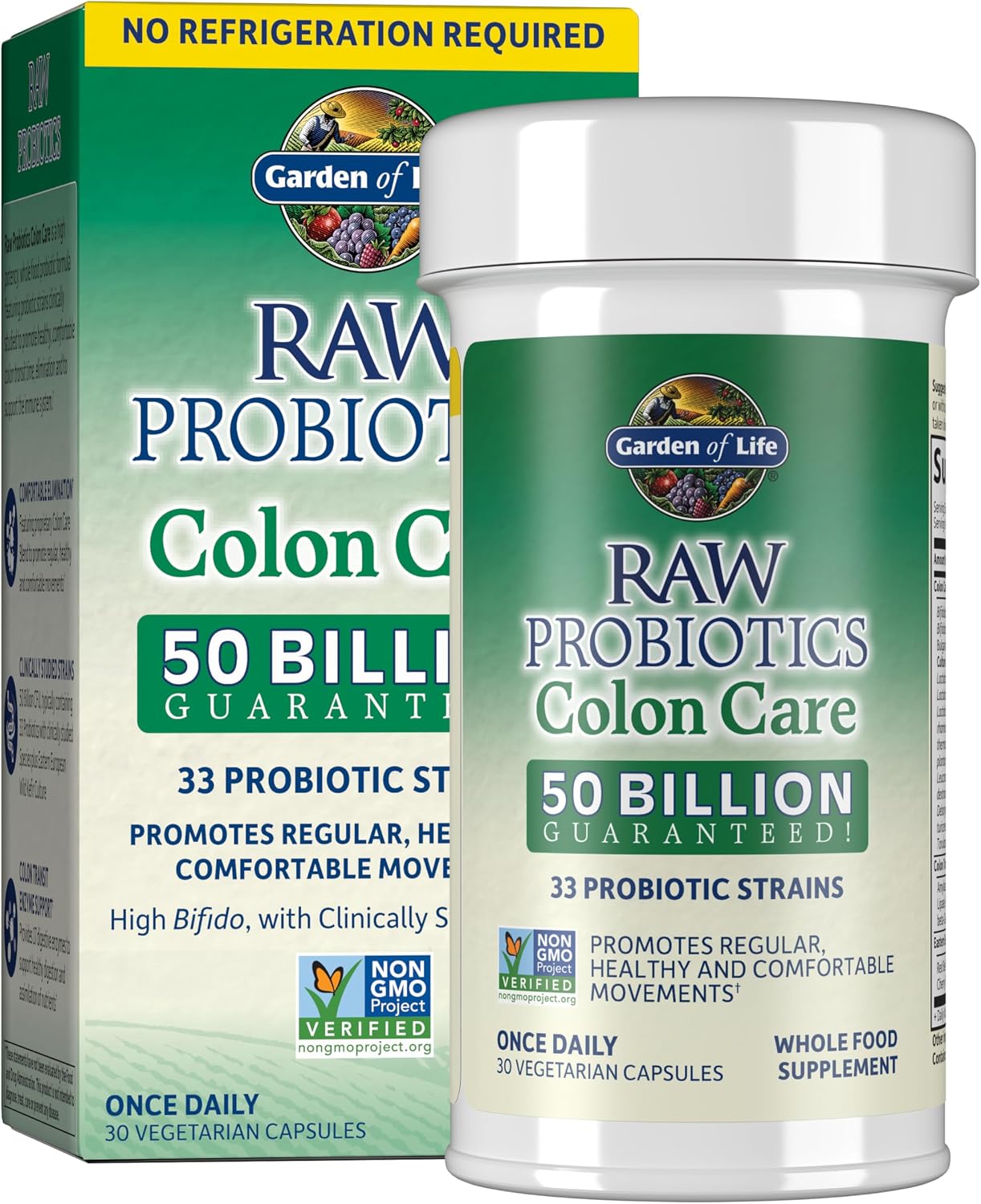
Garden of Life Probiotics for Women and Men - Raw Probiotics Colon Care
Lactobacillus acidophilus SD-5221
Strain code: SD-5221