
Probiotics, particularly certain strains of Lactobacillus and Bifidobacterium, have shown potential benefits in reducing symptoms of anxiety and depression. High-quality evidence supports strains such as Lactiplantibacillus plantarum, Lactobacillus rhamnosus HN001, Bifidobacterium longum NCC3001, and multispecies probiotic formulations in improving mood, anxiety, and depression symptoms in various populations. However, effects vary by strain, dose, population, and study design, and more research is needed to optimize treatment.
What the research shows
Multiple high-quality randomized controlled trials and meta-analyses indicate that probiotics can reduce symptoms of depression and anxiety. Meta-analyses (PMID: 39731509, 34620373, 41310510, 40440772) show significant reductions in depression and anxiety scores with probiotic supplementation, though heterogeneity exists. Specific strains with evidence include Lactiplantibacillus plantarum (PMID: 40312029, 40008414), Lactobacillus rhamnosus HN001 (PMID: 28943228), Bifidobacterium longum NCC3001 (PMID: 28483500), and multispecies probiotics (PMID: 30991255, 40222448). Some studies report improvements in mood and anxiety in healthy adults, postpartum women, patients with irritable bowel syndrome, and cancer patients undergoing chemotherapy. Mechanisms involve modulation of neurotransmitters (GABA, serotonin), immune regulation, and gut-brain axis signaling. Evidence for prebiotics is less consistent. Safety profiles are generally favorable with no serious adverse events reported. Limitations include variability in strains, doses, populations, and study durations, as well as some inconsistent findings and need for long-term data.
Best studied probiotic strains
Lactiplantibacillus plantarum
Studied for: Anxiety, depression, general mental wellbeing
Effects observed with doses around 9 log CFU/day over 6-12 weeks; mechanisms include neurotransmitter modulation and immune gene expression.
Lactobacillus rhamnosus HN001
Studied for: Postpartum depression and anxiety
May be particularly useful in perinatal mental health; administered from mid-pregnancy to 6 months postpartum.
Bifidobacterium longum NCC3001
Studied for: Depression in irritable bowel syndrome
Effects on depression but not anxiety; associated with changes in limbic brain regions.
Multispecies probiotic formulations
Studied for: Anxiety, depression
Formulations vary; longer duration (≥8 weeks) and higher doses may improve efficacy.
Lacticaseibacillus paracasei and Lactobacillus acidophilus (in cultured milk drink)
Studied for: Depression in IBS
Potential as adjunctive treatment in IBS-related mood disturbances.
Who may benefit
Safety
Probiotic supplementation is generally safe with no serious adverse events reported in the reviewed studies. Some studies specifically noted no adverse effects over intervention periods ranging from weeks to months. However, long-term safety data are limited and should be further investigated.
Limitations
There is considerable heterogeneity in probiotic strains, doses, treatment durations, and populations studied, which limits direct comparisons and generalizability. Some studies show inconsistent or modest effects, and the mechanisms of action are not fully elucidated. Evidence for prebiotics and synbiotics is less robust. Many studies have small sample sizes or short follow-up periods. More large-scale, well-designed RCTs with standardized protocols and long-term follow-up are needed to confirm efficacy and safety and to identify optimal strains and treatment regimens.
PubMed sources
| Study | Type | Year | PMID |
|---|---|---|---|
| The psychobiotic revolution: comprehending the optimistic role of gut microbiota on gut-brain axis during neurological and Gastrointestinal (GI) disorders. World journal of microbiology & biotechnology |
Research Study | 2025 | 41129047 |
| Psychobiotics in mental health, neurodegenerative and neurodevelopmental disorders. Journal of food and drug analysis |
Research Study | 2019 | 31324280 |
| The Role of Gut Microbiota in Anxiety, Depression, and Other Mental Disorders as Well as the Protective Effects of Dietary Components. Nutrients |
Research Study | 2023 | 37513676 |
| Psychobiotics Ameliorate Depression and Anxiety Status in Surgical Oncology Patients: Results from the Study. Nutrients |
Randomized Controlled Trial | 2025 | 40077722 |
| Maternal mood, anxiety and mental health functioning after combined myo-inositol, probiotics, micronutrient supplementation from preconception: Findings from the NiPPeR RCT. Psychiatry research |
Randomized Controlled Trial | 2024 | 38402742 |
| Fermented Vegetables as a Source of Psychobiotics: A Review of the Evidence for Mental Health Benefits. Probiotics and antimicrobial proteins |
Research Study | 2026 | 40402417 |
| From isoniazid to psychobiotics: the gut microbiome as a new antidepressant target. British journal of hospital medicine (London, England : 2005) |
Research Study | 2019 | 30860919 |
| Effects of Prebiotics and Probiotics on Symptoms of Depression and Anxiety in Clinically Diagnosed Samples: Systematic Review and Meta-analysis of Randomized Controlled Trials. Nutrition reviews |
Meta-analysis | 2025 | 39731509 |
| Probiotics for the treatment of depression and anxiety: A systematic review and meta-analysis of randomized controlled trials. Clinical nutrition ESPEN |
Meta-analysis | 2021 | 34620373 |
| Heat-killed improves mood states: a randomised, double-blind, placebo-controlled study. Beneficial microbes |
Randomized Controlled Trial | 2023 | 37026368 |
| Can We Modulate Our Second Brain and Its Metabolites to Change Our Mood? A Systematic Review on Efficacy, Mechanisms, and Future Directions of "Psychobiotics". International journal of molecular sciences |
Systematic Review | 2025 | 40076598 |
| The efficacy of probiotics, prebiotics, and synbiotics on anxiety, depression, and sleep: a systematic review and meta-analysis of randomized controlled trials. BMC psychiatry |
Meta-analysis | 2025 | 41310510 |
| Gut emotions - mechanisms of action of probiotics as novel therapeutic targets for depression and anxiety disorders. CNS & neurological disorders drug targets |
Systematic Review | 2014 | 25470391 |
| Probiotic Bifidobacterium longum NCC3001 Reduces Depression Scores and Alters Brain Activity: A Pilot Study in Patients With Irritable Bowel Syndrome. Gastroenterology |
Randomized Controlled Trial | 2017 | 28483500 |
| Psychobiotics Regulate the Anxiety Symptoms in Carriers of Allele A of IL-1 Gene: A Randomized, Placebo-Controlled Clinical Trial. Mediators of inflammation |
Randomized Controlled Trial | 2020 | 32377159 |
| Effect of Lactobacillus rhamnosus HN001 in Pregnancy on Postpartum Symptoms of Depression and Anxiety: A Randomised Double-blind Placebo-controlled Trial. EBioMedicine |
Randomized Controlled Trial | 2017 | 28943228 |
| Can psychobiotics "mood" ify gut? An update systematic review of randomized controlled trials in healthy and clinical subjects, on anti-depressant effects of probiotics, prebiotics, and synbiotics. Clinical nutrition (Edinburgh, Scotland) |
Systematic Review | 2020 | 31307840 |
| Efficacy of spp. Interventions to Modulate Mood Symptoms: A Scoping Review of Clinical Trials. International journal of molecular sciences |
Research Study | 2025 | 40869419 |
| Lactiplantibacillus plantarum Lp815 decreases anxiety in people with mild to moderate anxiety: a direct-to-consumer, randomised, double-blind, placebo-controlled study. Beneficial microbes |
Randomized Controlled Trial | 2025 | 40312029 |
| Effectiveness of Psychobiotics in the Treatment of Psychiatric and Cognitive Disorders: A Systematic Review of Randomized Clinical Trials. Nutrients |
Systematic Review | 2024 | 38732599 |
| Psychobiotics as treatment for anxiety, depression, and related symptoms: a systematic review. Nutritional neuroscience |
Systematic Review | 2021 | 31858898 |
| The gut-brain relationship: Investigating the effect of multispecies probiotics on anxiety in a randomized placebo-controlled trial of healthy young adults. Journal of affective disorders |
Randomized Controlled Trial | 2019 | 30991255 |
| Exploring the acute and chronic effects of a multistrain probiotic supplement on cognitive function and mood in healthy older adults: a randomized controlled trial. The American journal of clinical nutrition |
Randomized Controlled Trial | 2025 | 40222448 |
| Psychobiotics in Depression: Sources, Metabolites, and Treatment-A Systematic Review. Nutrients |
Systematic Review | 2025 | 40647242 |
| Probiotic enhanced immunity and mental wellbeing of generally healthy women: a randomised, placebo-controlled and double-blind study. Beneficial microbes |
Randomized Controlled Trial | 2025 | 40008414 |
| Brain-Gut-Microbiota Axis and Mental Health. Psychosomatic medicine |
Research Study | 2017 | 28806201 |
| Short-chain fatty acids-producing probiotics: A novel source of psychobiotics. Critical reviews in food science and nutrition |
Research Study | 2022 | 33955288 |
| Microbiome modulation as a novel therapeutic modality for anxiety disorders: A review of clinical trials. Behavioural brain research |
Systematic Review | 2025 | 40246176 |
| The impact of ingestion of Bifidobacterium longum NCC3001 on perinatal anxiety and depressive symptoms: a randomized controlled trial. Scientific reports |
Randomized Controlled Trial | 2025 | 40175540 |
| Probiotic intake and mental health in healthy working adults: a systematic review and meta-analysis of randomized controlled trials. BMC psychology |
Meta-analysis | 2026 | 41501907 |
| The Immune Mind: Linking Dietary Patterns, Microbiota, and Psychological Health. Nutrients |
Meta-analysis | 2025 | 41515213 |
| The Impact of BC99 on Anxiety and Depression: An 8-Week Clinical Pilot Study Through the Gut Microbiota-Brain Axis. Nutrients |
Randomized Controlled Trial | 2025 | 41097163 |
| Protective Effects of Probiotics on Runners' Mood: Immunometabolic Mechanisms Post-Exercise. Nutrients |
Randomized Controlled Trial | 2024 | 39519594 |
| Impact of consuming a milk drink containing a probiotic on mood and cognition. European journal of clinical nutrition |
Randomized Controlled Trial | 2007 | 17151594 |
| Estrogenic Effect of Probiotics on Anxiety and Depression: A Narrative Review. International journal of molecular sciences |
Research Study | 2025 | 41155243 |
| Psychobiotics and the microbiota-gut-brain axis: Emerging paradigms in mental health modulation. Experimental physiology |
Research Study | 2026 | 41762172 |
| Effects of Probiotic Supplementation on Mental Health and the Risk of Depression in Women with Polycystic Ovary Syndrome: A Systematic Review of Randomized Controlled Trials. Nutrients |
Systematic Review | 2026 | 41599922 |
| The Role of Psychobiotics in Supporting the Treatment of Disturbances in the Functioning of the Nervous System-A Systematic Review. International journal of molecular sciences |
Systematic Review | 2022 | 35887166 |
| Probiotics and Maternal Mental Health: A Randomised Controlled Trial among Pregnant Women with Obesity. Scientific reports |
Randomized Controlled Trial | 2020 | 31992802 |
| Probiotics for the treatment of depression and its comorbidities: A systemic review. Frontiers in cellular and infection microbiology |
Systematic Review | 2023 | 37139495 |
| A randomized, double-blinded, placebo-controlled clinical trial on Lactobacillus-containing cultured milk drink as adjuvant therapy for depression in irritable bowel syndrome. Scientific reports |
Randomized Controlled Trial | 2024 | 38658619 |
| Effectiveness of probiotic/prebiotic/synbiotic treatments on anxiety: A systematic review and meta-analysis of randomized controlled trials. Journal of affective disorders |
Meta-analysis | 2023 | 37734624 |
Products containing microorganisms linked to this analysis
These products contain microorganisms identified in the research analysis above.
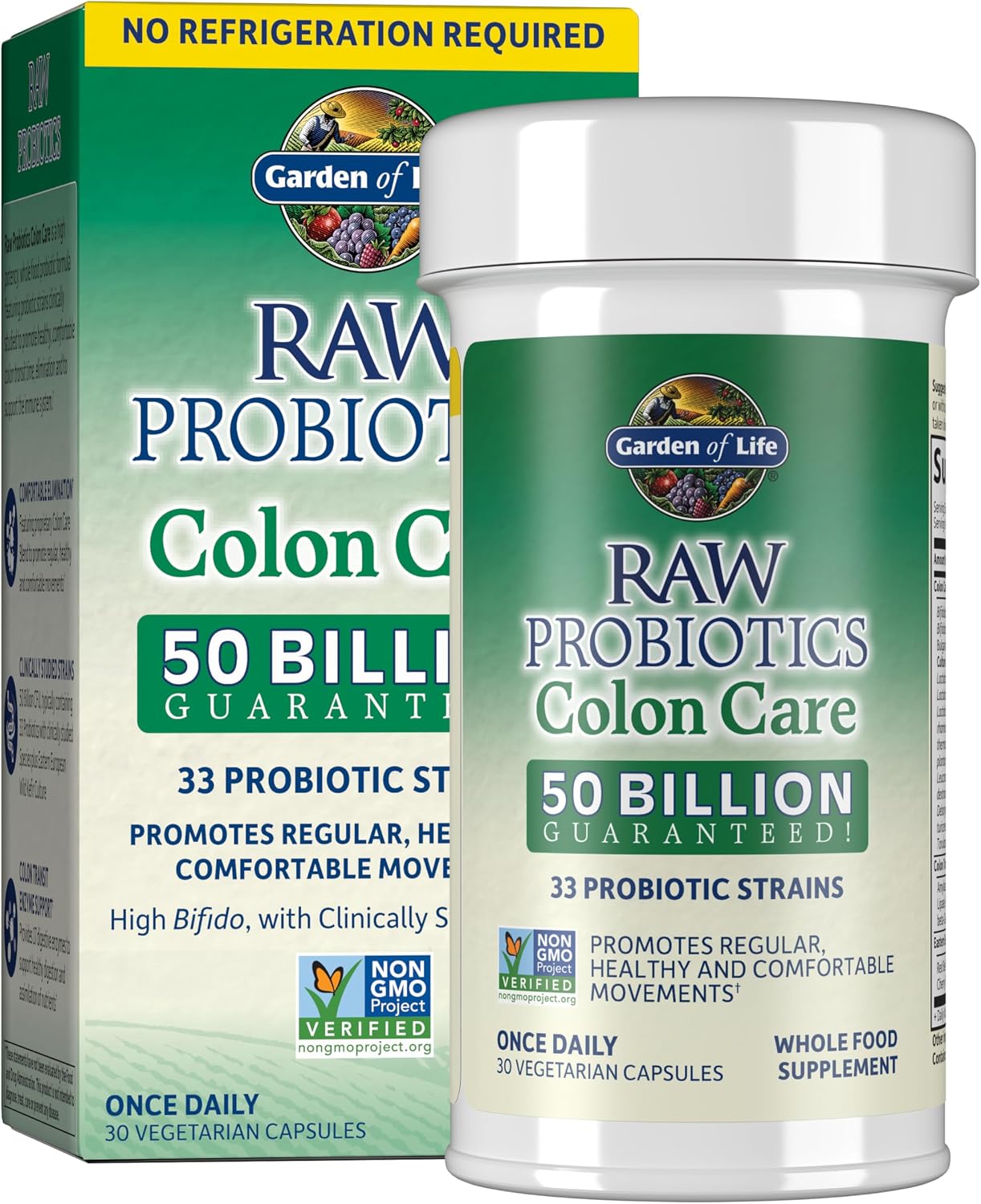
Garden of Life Probiotics for Women and Men - Raw Probiotics Colon Care
Lactiplantibacillus plantarum
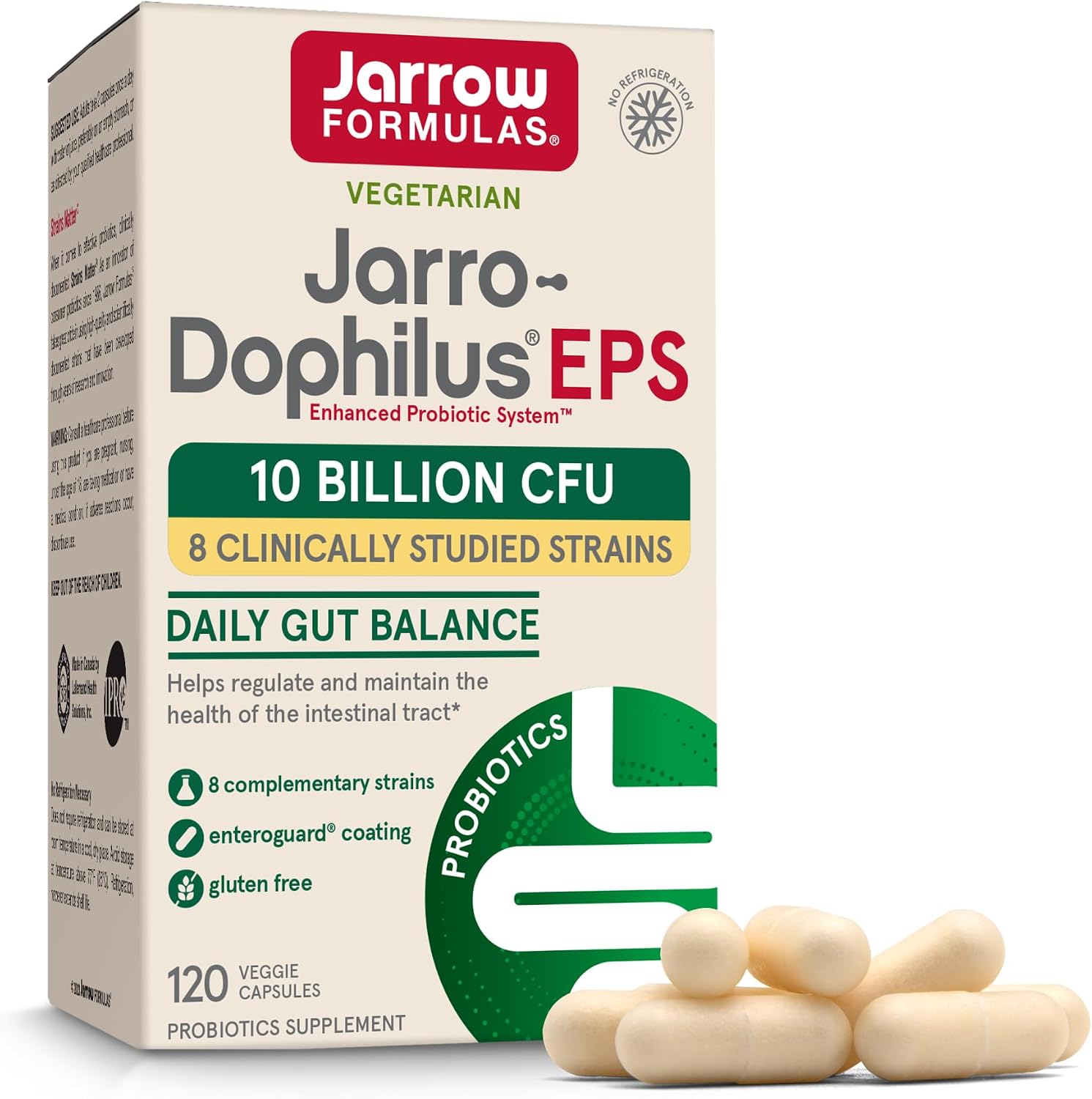
Jarrow Jarro Dophilus Probiotics
Lactiplantibacillus plantarum