
Certain Lactobacillus strains, particularly Lactobacillus acidophilus, Lactobacillus crispatus, Lacticaseibacillus casei var rhamnosus (Lcr 35), Lactobacillus fermentum, Lactiplantibacillus plantarum, and Lactobacillus helveticus, have shown evidence of benefiting vaginal health, especially in bacterial vaginosis treatment and prevention. Both oral and vaginal probiotic formulations can be effective, with strain-specific effects and dosing important for clinical outcomes.
What the research shows
The evidence from multiple randomized controlled trials and systematic reviews supports the use of specific Lactobacillus strains for improving vaginal health, particularly in bacterial vaginosis (BV). Lactobacillus acidophilus-based vaginal douches have shown moderate evidence for restoring normal vaginal flora and reducing BV symptoms (PMID 17532736). Lacticaseibacillus casei var rhamnosus (Lcr 35) vaginal ovules added to standard antibiotic therapy significantly improved clinical and microbiological cure rates and reduced BV relapse (PMID 24294746). Oral administration of Lactobacillus rhamnosus GR-1 and Lactobacillus fermentum RC-14 at doses over 10^8 CFU/day restored normal vaginal flora in up to 90% of women (PMID 11750220). Vaginal tablets containing lactobacilli (L. brevis CD2, L. salivarius, L. plantarum) demonstrated high cure rates and reduced vaginal inflammation (PMID 22777592). Lactobacillus fermentum LF15 and Lactiplantibacillus plantarum LP01 in slow-release vaginal tablets reduced Nugent scores in BV patients (PMID 25291116, 35633296). Lactobacillus helveticus 20838 showed promise in murine models for restoring vaginal and gut microbiota and reducing inflammation (PMID 42143583). Systematic reviews highlight the promise of probiotics as adjunctive or alternative therapies for BV, but emphasize the need for strain-specific, dose-optimized, and well-designed clinical trials (PMID 40352249, 19567343, 33025086). Oral and vaginal probiotic administration appear similarly effective in reducing BV recurrence (PMID 39462408). Some commercial products contain strains common in gastrointestinal probiotics rather than vaginal commensals, which may limit efficacy (PMID 28103868). Emerging approaches include vaginal microbiome transplantation and engineered live biotherapeutics, but these require further validation (PMID 41714081, 41823362). Overall, Lactobacillus species dominate healthy vaginal microbiota and their restoration via probiotics is a promising strategy for vaginal health, especially in BV management.
Best studied probiotic strains
Lactobacillus acidophilus
Studied for: Bacterial vaginosis
Used vaginally; contributed to sustained improvement in Nugent scores and vaginal environment.
Lacticaseibacillus casei var rhamnosus (Lcr 35)
Studied for: Bacterial vaginosis
Adjunct to nitroimidazole therapy; improved restoration of vaginal flora and reduced recurrence.
Lactobacillus rhamnosus GR-1 and Lactobacillus fermentum RC-14
Studied for: Bacterial vaginosis
Oral administration effective; dose important; L. rhamnosus GG alone was ineffective.
Lactobacillus fermentum LF15 and Lactiplantibacillus plantarum LP01
Studied for: Bacterial vaginosis
Delivered via slow-release vaginal tablets; showed strong in vitro antagonism against Gardnerella vaginalis.
Lactiplantibacillus plantarum strain P1
Studied for: Bacterial vaginosis
Isolated from healthy vaginal microbiota; promising candidate for BV treatment.
Lactobacillus helveticus 20838
Studied for: Bacterial vaginosis
Next-generation probiotic candidate; demonstrated immunomodulatory effects.
Who may benefit
Safety
Probiotic treatments for vaginal health, particularly those containing Lactobacillus strains, have generally been well tolerated with mild and self-limiting side effects reported. No significant adverse events were noted in clinical trials. However, safety data for long-term use and in specific populations remain limited. Vaginal administration is generally safe, but patient preference may favor oral routes. Postbiotic concentrations should be balanced to avoid negative effects on sperm motility (PMID 38892713).
Limitations
Many studies have small sample sizes, heterogeneous designs, and varied outcome measures, limiting generalizability. Evidence quality ranges from low to high, with some promising strains lacking large-scale clinical validation. Commercial probiotic products often contain strains common to gastrointestinal probiotics rather than vaginal commensals, which may reduce efficacy. Long-term safety and optimal dosing regimens require further research. Mechanistic understanding of host-microbiome interactions and strain-specific effects is incomplete. More rigorous, standardized, and larger randomized controlled trials are needed to establish definitive clinical recommendations.
PubMed sources
| Study | Type | Year | PMID |
|---|---|---|---|
| Activity of a Lactobacillus acidophilus-based douche for the treatment of bacterial vaginosis. Journal of alternative and complementary medicine (New York, N.Y.) |
Clinical Trial | 2007 | 17532736 |
| [Effect of Lactobacillus casei var rhamnosus (Gynophilus) in restoring the vaginal flora by female patients with bacterial vaginosis--randomized, open clinical trial]. Akusherstvo i ginekologiia |
Randomized Controlled Trial | 2013 | 24294746 |
| Probiotic Lactobacillus dose required to restore and maintain a normal vaginal flora. FEMS immunology and medical microbiology |
Randomized Controlled Trial | 2001 | 11750220 |
| Effectiveness of the two microorganisms Lactobacillus fermentum LF15 and Lactobacillus plantarum LP01, formulated in slow-release vaginal tablets, in women affected by bacterial vaginosis: a pilot study. Journal of clinical gastroenterology |
Randomized Controlled Trial | 2014 | 25291116 |
| Exploring of probiotic potential vaginal lactobacillus isolates from healthy women against Gardnerella vaginalis and Caenorhabditis elegans model testing. Journal of applied microbiology |
Research Study | 2022 | 35633296 |
| Systems-level restoration of vaginal and gut microbiota by Lactobacillus helveticus 20838 alleviates Gardnerella vaginalis-induced dysbiosis. The ISME journal |
Research Study | 2026 | 42143583 |
| Effective probiotic regimens for bacterial vaginosis treatment and recurrence prevention: A systematic review. Narra J |
Systematic Review | 2025 | 40352249 |
| The role of lactobacillus probiotics in the treatment or prevention of urogenital infections--a systematic review. Journal of chemotherapy (Florence, Italy) |
Systematic Review | 2009 | 19567343 |
| Comparative efficacy of oral and vaginal probiotics in reducing the recurrence of bacterial vaginosis: a double-blind clinical trial. BMC women's health |
Randomized Controlled Trial | 2024 | 39462408 |
| Probiotics for vaginal health in South Africa: what is on retailers' shelves? BMC women's health |
Research Study | 2017 | 28103868 |
| Effect of Postbiotics Derived from PB01 (DSM 14870) on Sperm Quality: A Prospective In Vitro Study. Nutrients |
Research Study | 2024 | 38892713 |
| Non-antibiotic treatment of bacterial vaginosis-a systematic review. Archives of gynecology and obstetrics |
Systematic Review | 2021 | 33025086 |
| The female urogenital microbiome: Ecological insights, therapeutic strategies, and molecular mechanisms. Cell host & microbe |
Research Study | 2026 | 41956067 |
| Precision Microbial Therapeutics for Infertility: Next-Generation Probiotics, Engineered Biologics and Translational Pathways. Microbial biotechnology |
Research Study | 2026 | 41823362 |
| The human reproductive tract microbiome: A novel source of live biotherapeutics. Progress in molecular biology and translational science |
Research Study | 2026 | 41714081 |
Products containing microorganisms linked to this analysis
These products contain microorganisms identified in the research analysis above.
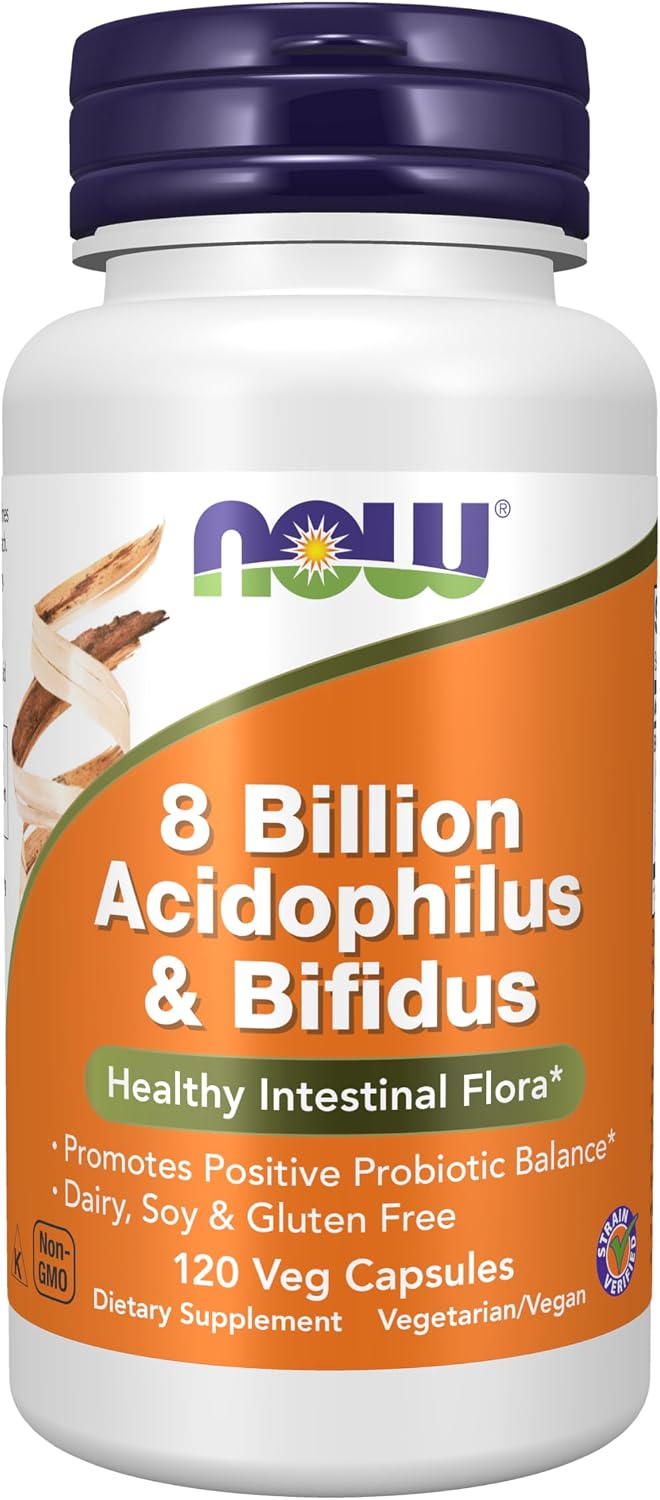
NOW Foods Supplements Acidophilus & Bifidus
Lactobacillus acidophilus La-14
Strain code: La-14
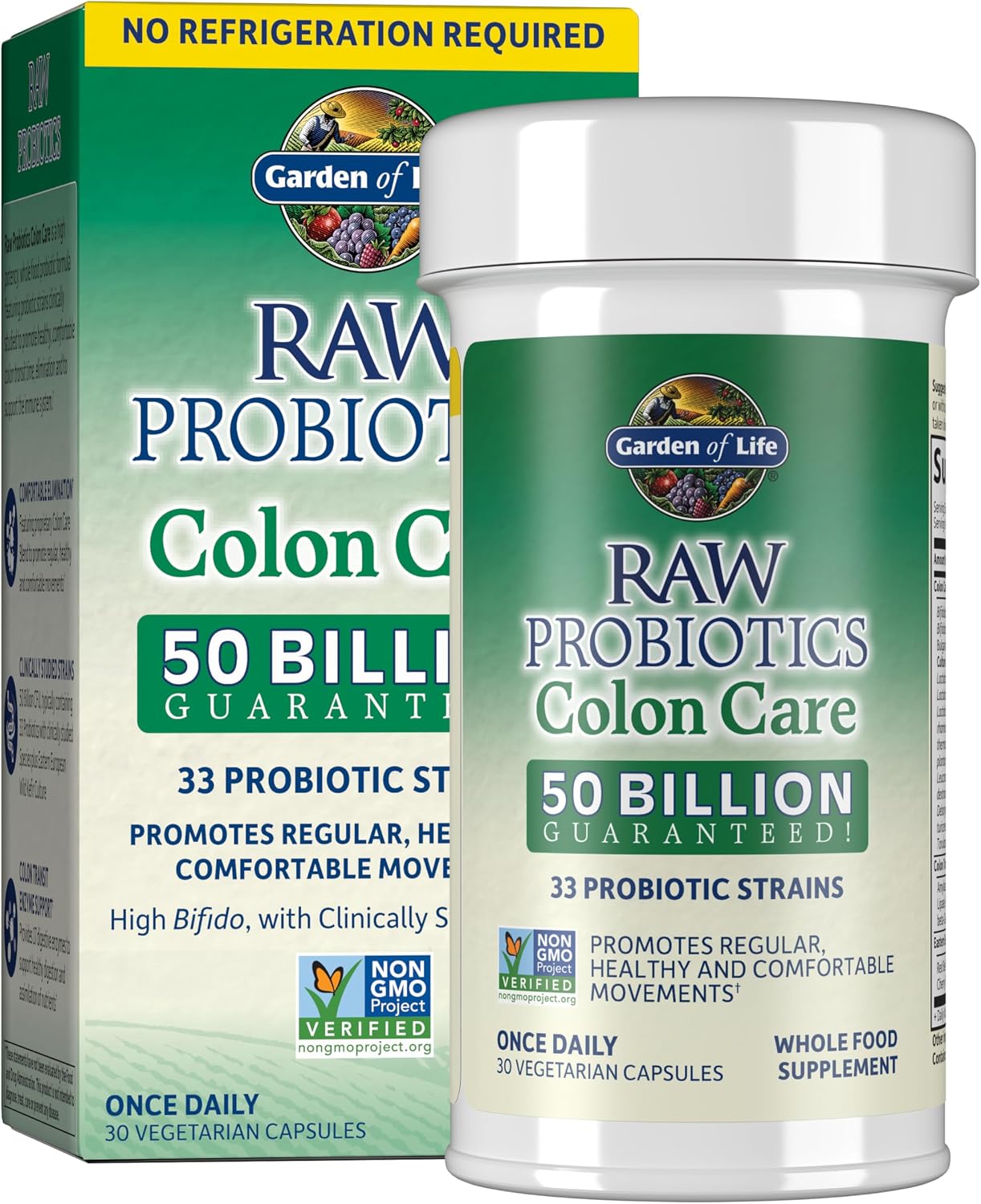
Garden of Life Probiotics for Women and Men - Raw Probiotics Colon Care
Lactobacillus acidophilus SD-5221
Strain code: SD-5221