
Yes, certain probiotic strains, particularly specific Lactobacillus strains, have evidence supporting their potential to improve vaginal odor associated with bacterial vaginosis by restoring normal vaginal flora and reducing odor-related symptoms.
What the research shows
Multiple high-quality randomized controlled trials and systematic reviews indicate that probiotics, especially Lactobacillus strains such as Lactobacillus acidophilus, Lactobacillus rhamnosus (including GR-1), Lactobacillus reuteri (including RC-14), Lactobacillus crispatus, Lactiplantibacillus plantarum, and Lactobacillus fermentum, can help restore normal vaginal microbiota in women with bacterial vaginosis (BV). This restoration is associated with improvements in clinical symptoms including vaginal odor, discharge, and Nugent scores. Vaginal administration of probiotics often shows more direct effects, but oral administration also demonstrates benefits. Some studies also show that probiotics reduce recurrence rates of BV. Safety profiles are generally favorable with mild and self-limiting side effects reported. However, evidence is heterogeneous with some studies showing no significant benefit, and strain-specific effects are important. More large-scale, well-designed trials are needed to confirm optimal strains, doses, and administration routes. Probiotics have not been shown to directly treat vaginal odor unrelated to BV or other conditions.
Best studied probiotic strains
Lactobacillus acidophilus
Effective in vaginal douche form; evidence moderate and from a pilot study.
Lacticaseibacillus rhamnosus (including GR-1)
Strain-specific effects important; often combined with L. reuteri RC-14.
Lactobacillus reuteri (including RC-14)
Usually studied in combination with L. rhamnosus GR-1.
Lactobacillus crispatus (including CTV-05)
Colonization after vaginal administration demonstrated; safety profile good.
Lactiplantibacillus plantarum
Evidence from pilot studies; promising candidate for vaginal probiotics.
Limosilactobacillus fermentum
Often studied in combination with other lactobacilli.
Bifidobacterium longum BB536
No direct evidence for vaginal odor; included for completeness.
Who may benefit
Safety
Probiotics studied for vaginal health are generally safe and well tolerated. Mild, self-limiting adverse events such as vaginal discharge, abdominal discomfort, or irritation have been reported. No serious adverse events or safety concerns were noted in high-quality trials. Vaginal and oral probiotic administration routes are both considered safe.
Limitations
Evidence is heterogeneous with variability in probiotic strains, doses, administration routes, and study designs. Some studies have small sample sizes or are pilot trials. Strain-specific effects are critical; not all probiotics are equally effective. Most evidence pertains to bacterial vaginosis-related odor, not other causes of vaginal odor. Long-term efficacy and optimal treatment regimens require further research. Some studies report no significant benefit over placebo or standard treatment.
PubMed sources
| Study | Type | Year | PMID |
|---|---|---|---|
| Activity of a Lactobacillus acidophilus-based douche for the treatment of bacterial vaginosis. Journal of alternative and complementary medicine (New York, N.Y.) |
Clinical Trial | 2007 | 17532736 |
| Effective probiotic regimens for bacterial vaginosis treatment and recurrence prevention: A systematic review. Narra J |
Systematic Review | 2025 | 40352249 |
| [Effect of Lactobacillus casei var rhamnosus (Gynophilus) in restoring the vaginal flora by female patients with bacterial vaginosis--randomized, open clinical trial]. Akusherstvo i ginekologiia |
Randomized Controlled Trial | 2013 | 24294746 |
| Comparative efficacy of oral and vaginal probiotics in reducing the recurrence of bacterial vaginosis: a double-blind clinical trial. BMC women's health |
Randomized Controlled Trial | 2024 | 39462408 |
| Integrated analysis of characteristic volatile flavor formation mechanisms in probiotic co-fermented cheese by untargeted metabolomics and sensory predictive modeling. Food research international (Ottawa, Ont.) |
Research Study | 2025 | 40356103 |
| Effectiveness of the two microorganisms Lactobacillus fermentum LF15 and Lactobacillus plantarum LP01, formulated in slow-release vaginal tablets, in women affected by bacterial vaginosis: a pilot study. Journal of clinical gastroenterology |
Randomized Controlled Trial | 2014 | 25291116 |
| Comparing the effect of sucrose gel and metronidazole gel in treatment of clinical symptoms of bacterial vaginosis: a randomized controlled trial. Trials |
Randomized Controlled Trial | 2018 | 30367673 |
| NK3 and NK49 Alleviate Bacterial Vaginosis and Osteoporosis in Mice by Suppressing NF-B-Linked TNF- Expression. Journal of medicinal food |
Research Study | 2019 | 31381476 |
| Impact of -containing oral and vaginal probiotics on vaginal health: a randomised double-blind placebo controlled clinical trial. Beneficial microbes |
Randomized Controlled Trial | 2023 | 36856121 |
| Probiotics--a helpful additional therapy for bacterial vaginosis. Journal of medicine and life |
Clinical Trial | 2013 | 24868256 |
| Exploring of probiotic potential vaginal lactobacillus isolates from healthy women against Gardnerella vaginalis and Caenorhabditis elegans model testing. Journal of applied microbiology |
Research Study | 2022 | 35633296 |
| [Efficacy of combined 5-nitroimidazole and probiotic therapy of bacterial vaginosis: randomized open trial]. Akusherstvo i ginekologiia |
Randomized Controlled Trial | 2013 | 24283058 |
| Lactobacilli-containing vaginal probiotics to cure or prevent bacterial or fungal vaginal dysbiosis: a systematic review and recommendations for future trial designs. BJOG : an international journal of obstetrics and gynaecology |
Systematic Review | 2020 | 31299136 |
| Continuous versus interrupted use of vaginal probiotics plus vaginal clindamycin cream for bacterial vaginosis: a randomized controlled study. The journal of maternal-fetal & neonatal medicine : the official journal of the European Association of Perinatal Medicine, the Federation of Asia and Oceania Perinatal Societies, the International Society of Perinatal Obstetricians |
Randomized Controlled Trial | 2021 | 30879366 |
| Phase 1 dose-ranging safety trial of Lactobacillus crispatus CTV-05 for the prevention of bacterial vaginosis. Sexually transmitted diseases |
Randomized Controlled Trial | 2009 | 19543144 |
| A double-blind treatment study of bacterial vaginosis with normal vaginal lactobacilli after an open treatment with vaginal clindamycin ovules. Acta dermato-venereologica |
Randomized Controlled Trial | 2005 | 15848990 |
| Testing the regulatory framework in South Africa - a single-blind randomized pilot trial of commercial probiotic supplementation to standard therapy in women with bacterial vaginosis. BMC infectious diseases |
Randomized Controlled Trial | 2020 | 32650729 |
| Clinical study comparing probiotic Lactobacillus GR-1 and RC-14 with metronidazole vaginal gel to treat symptomatic bacterial vaginosis. Microbes and infection |
Randomized Controlled Trial | 2006 | 17045832 |
| Vaginal & gut microbiota diversity in pregnant women with bacterial vaginosis & effect of oral probiotics: An exploratory study. The Indian journal of medical research |
Research Study | 2021 | 34380796 |
| Oral Intake of Lactobacilli Can Be Helpful in Symptomatic Bacterial Vaginosis: A Randomized Clinical Study. Journal of lower genital tract disease |
Randomized Controlled Trial | 2020 | 32091443 |
| Augmentation of antimicrobial metronidazole therapy of bacterial vaginosis with oral probiotic Lactobacillus rhamnosus GR-1 and Lactobacillus reuteri RC-14: randomized, double-blind, placebo controlled trial. Microbes and infection |
Randomized Controlled Trial | 2006 | 16697231 |
| Effectiveness of Lactobacillus-containing vaginal tablets in the treatment of symptomatic bacterial vaginosis. Clinical microbiology and infection : the official publication of the European Society of Clinical Microbiology and Infectious Diseases |
Randomized Controlled Trial | 2009 | 19046169 |
| Probiotics for the treatment of bacterial vaginosis. The Cochrane database of systematic reviews |
Systematic Review | 2009 | 19821358 |
| CECT 30648 shows probiotic characteristics and colonizes the vagina of healthy women after oral administration. Microbiology spectrum |
Randomized Controlled Trial | 2025 | 40772934 |
| [Efficacy of Lactobacillus Rhamnosus GR-1 and of Lactobacillus Reuteri RC-14 in the treatment and prevention of vaginoses and bacterial vaginitis relapses]. Minerva ginecologica |
Randomized Controlled Trial | 2008 | 18854803 |
| The effects of antimicrobial therapy on bacterial vaginosis in non-pregnant women. The Cochrane database of systematic reviews |
Meta-analysis | 2009 | 19588379 |
| Lactic acid bacteria colonization and clinical outcome after probiotic supplementation in conventionally treated bacterial vaginosis and vulvovaginal candidiasis. Microbes and infection |
Randomized Controlled Trial | 2010 | 20472091 |
| The restoration of the vaginal microbiota after treatment for bacterial vaginosis with metronidazole or probiotics. Microbial ecology |
Randomized Controlled Trial | 2013 | 23250116 |
| Effectiveness of vaginal administration of Lactobacillus rhamnosus following conventional metronidazole therapy: how to lower the rate of bacterial vaginosis recurrences. The new microbiologica |
Randomized Controlled Trial | 2008 | 18843900 |
Products containing microorganisms linked to this analysis
These products contain microorganisms identified in the research analysis above.

NOW Foods Supplements Acidophilus & Bifidus
Lactobacillus acidophilus La-14
Strain code: La-14
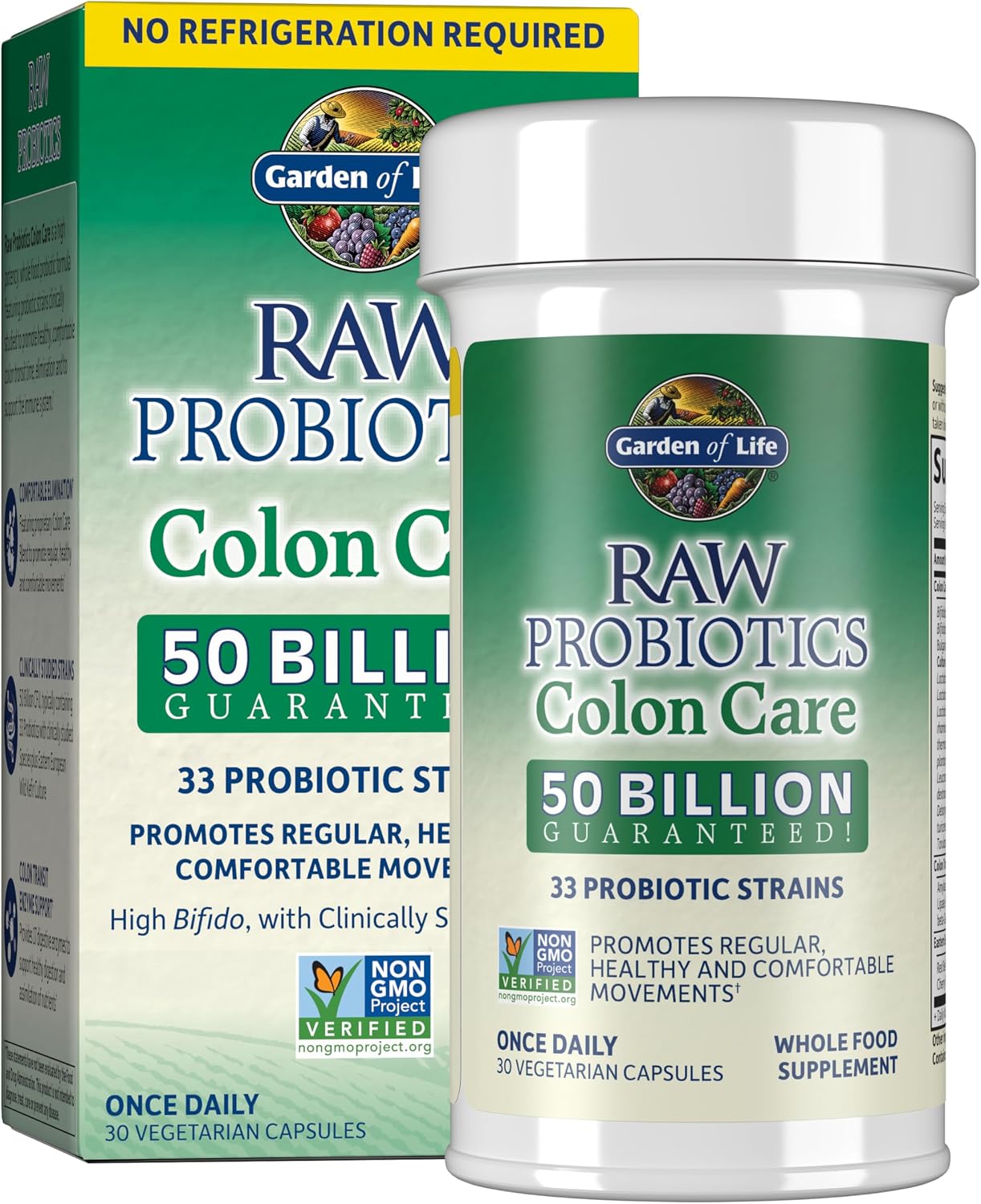
Garden of Life Probiotics for Women and Men - Raw Probiotics Colon Care
Lactobacillus acidophilus SD-5221
Strain code: SD-5221
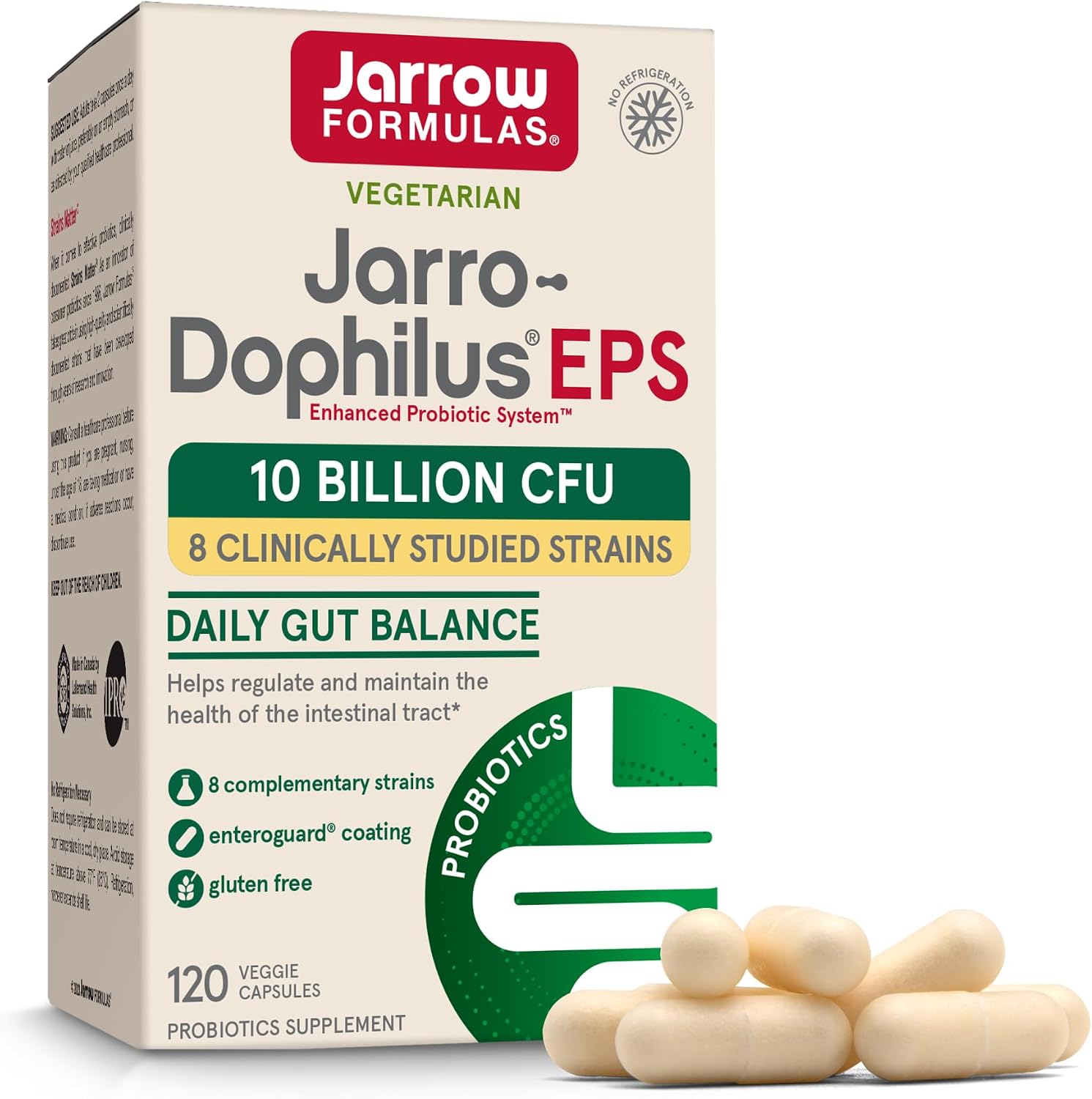
Jarrow Jarro Dophilus Probiotics
Lactiplantibacillus plantarum