
Probiotics may improve certain aspects of skin appearance and condition, such as reducing inflammation, improving skin elasticity, hydration, and barrier function, and potentially reducing wrinkles and pigmentation. However, effects depend on specific strains and formulations, and evidence varies in strength.
What the research shows
High-quality randomized controlled trials show that probiotics and related products can positively influence skin health through various mechanisms including modulation of the gut-skin axis, immune regulation, and direct topical effects. For example, combined probiotics with doxycycline improved rosacea symptoms and reduced inflammation (PMID 39475254). Oral intake of Latilactobacillus sakei postbiotics improved skin elasticity and moisture in healthy women (PMID 41414786). Topical application of Bifidobacterium longum lysate reduced skin sensitivity and improved barrier function (PMID 19624730). A lotion containing Lacticaseibacillus rhamnosus fermented lysate enhanced skin barrier and reduced redness (PMID 37803101). Oral intake of Heyndrickxia coagulans improved skin lightness and scaliness (PMID 39127017). Some studies also showed improvements in wrinkle severity and pigmentation with topical Nitrosomonas eutropha (PMID 31257694) and oral probiotics (PMID 41010502). However, strain-specific effects are critical, and some studies did not specify strains. Safety profiles were generally favorable with no serious adverse events reported. Limitations include small sample sizes, short durations, and variability in probiotic strains and formulations.
Best studied probiotic strains
Bifidobacterium longum
Used as a lysate in topical cream; beneficial for reactive and sensitive skin.
Lacticaseibacillus rhamnosus
Applied topically as part of a fermented lysate mix; antioxidant properties noted.
Latilactobacillus sakei KABP-065
Postbiotic form; effects more pronounced in women in their 40s.
Heyndrickxia coagulans SANK70258
Probiotic effects linked to reduction of intestinal putrefactive products and systemic benefits.
Nitrosomonas eutropha
Topical ammonia-oxidizing bacteria; requires further larger studies.
Who may benefit
Safety
Probiotics and postbiotics studied were generally well tolerated with no significant adverse events reported. Topical and oral applications showed good safety profiles in clinical trials.
Limitations
Many studies had small sample sizes and short durations. Some did not specify probiotic strains, limiting strain-specific conclusions. Effects may vary by individual and probiotic formulation. More large-scale, long-term studies are needed to confirm benefits and optimal strains for cosmetic skin improvements.
PubMed sources
| Study | Type | Year | PMID |
|---|---|---|---|
| Effect of combined probiotics and doxycycline therapy on the gut-skin axis in rosacea. mSystems |
Randomized Controlled Trial | 2024 | 39475254 |
| Prospective, Randomized, Double-Blind, Placebo-Controlled Study of an Oral Antioxidant-Rich Synbiotic Supplement on Skin Health and Photoaging. Journal of cosmetic dermatology |
Randomized Controlled Trial | 2026 | 41947475 |
| Imaging and Microorganism Analyses of the Effects of Oral Intake on Facial Skin in Females: A Randomized, Double-Blind, Placebo-Controlled Study. Nutrients |
Randomized Controlled Trial | 2025 | 41010502 |
| Effects of a lotion containing probiotic ferment lysate as the main functional ingredient on enhancing skin barrier: a randomized, self-control study. Scientific reports |
Randomized Controlled Trial | 2023 | 37803101 |
| The use of topical Nitrosomonas eutropha for cosmetic improvement of facial wrinkles. Journal of cosmetic dermatology |
Clinical Trial | 2020 | 31257694 |
| Bifidobacterium longum lysate, a new ingredient for reactive skin. Experimental dermatology |
Randomized Controlled Trial | 2010 | 19624730 |
| Novel Application of Oral Postbiotics for Skin Condition in Healthy Middle-Aged Women: A Randomized, Double-Blind, and Placebo-Controlled Study. Journal of cosmetic dermatology |
Randomized Controlled Trial | 2025 | 41414786 |
| Regulatory effects of -GMNL6 on human skin health by improving skin microbiome. International journal of medical sciences |
Randomized Controlled Trial | 2021 | 33526970 |
| The Potential of Probiotics for Treating Skin Disorders: A Concise Review. Current pharmaceutical biotechnology |
Research Study | 2022 | 35410594 |
| Improvement of skin condition and intestinal microbiota via Heyndrickxia coagulans SANK70258 intake: A placebo-controlled, randomized, double-blind, parallel-group comparative study. Nutrition (Burbank, Los Angeles County, Calif.) |
Randomized Controlled Trial | 2024 | 39127017 |
Products containing microorganisms linked to this analysis
These products contain microorganisms identified in the research analysis above.
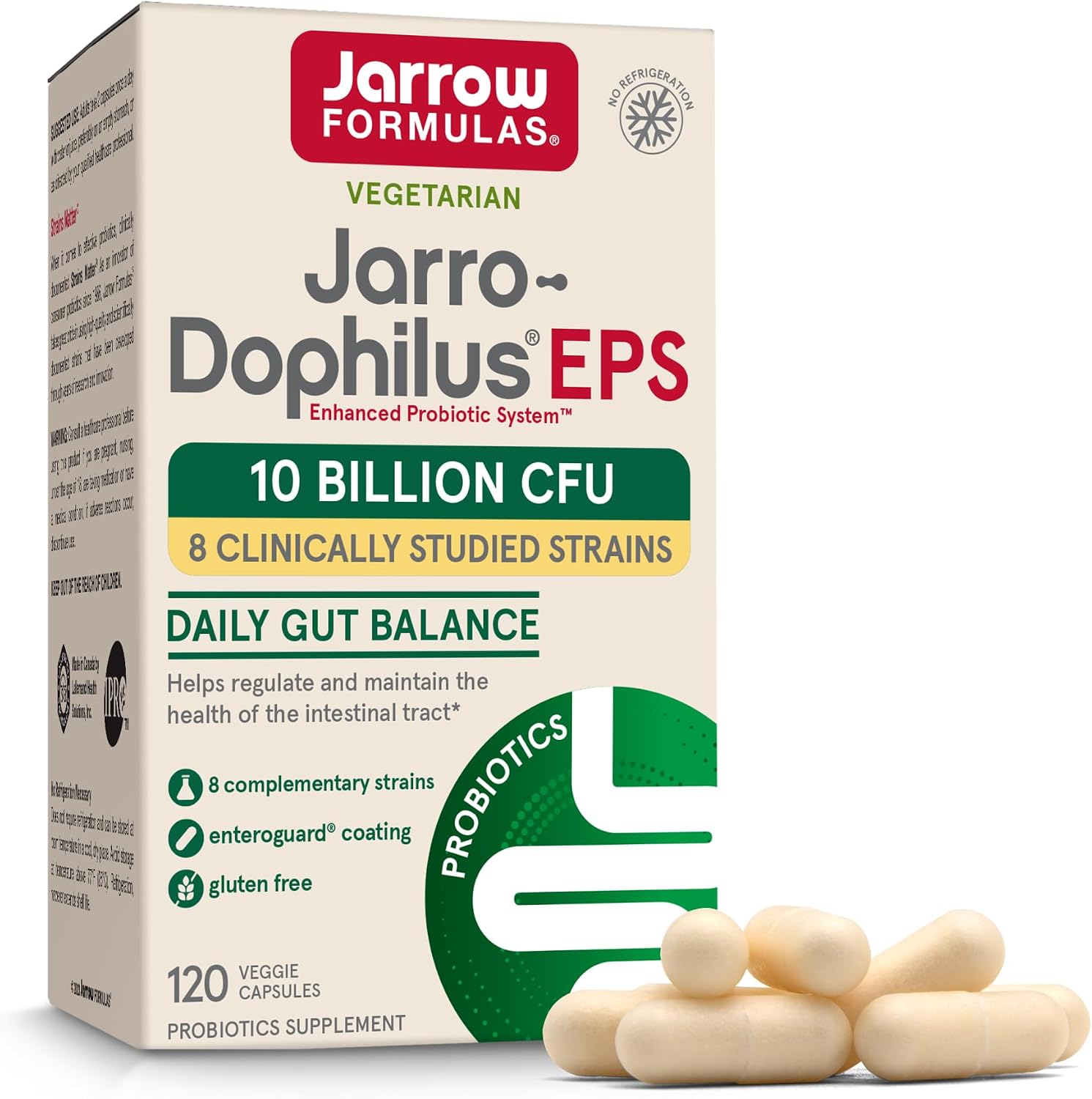
Jarrow Jarro Dophilus Probiotics
Bifidobacterium longum BB536
Strain code: BB536
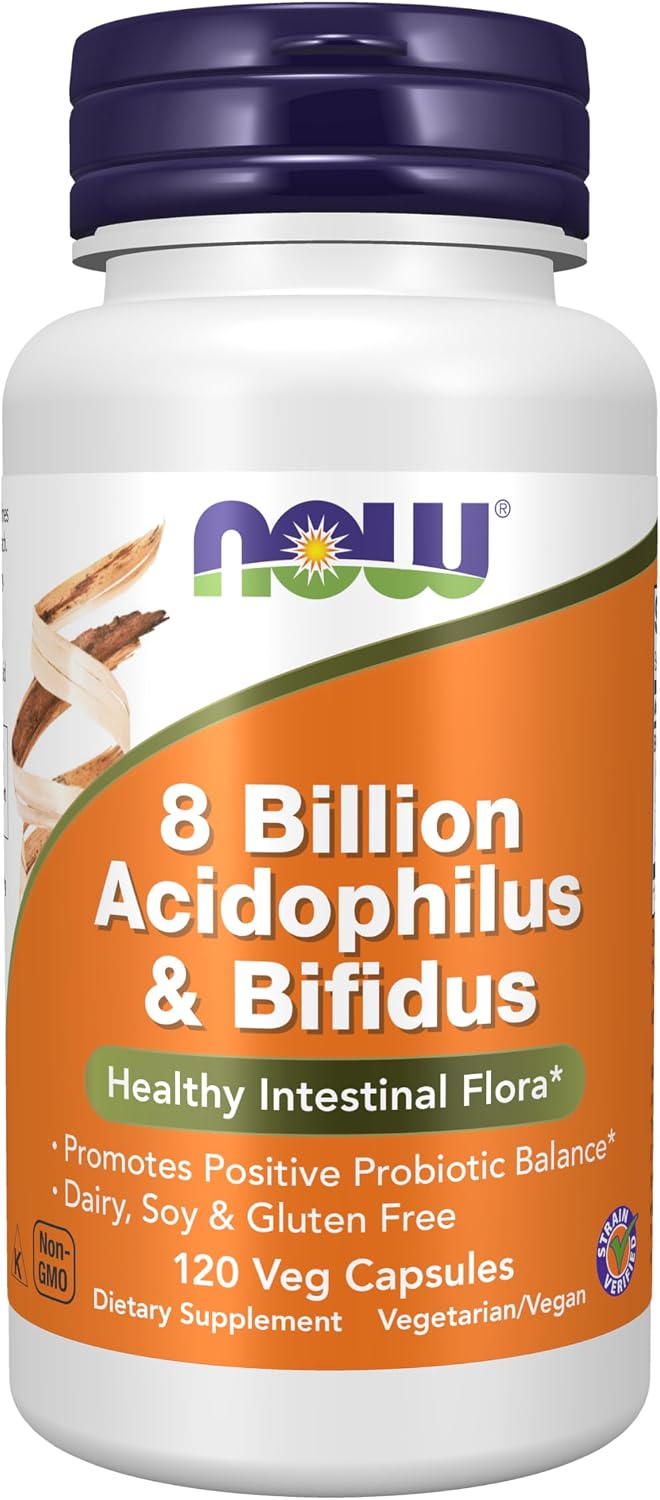
NOW Foods Supplements Acidophilus & Bifidus
Bifidobacterium longum Bl-05
Strain code: Bl-05
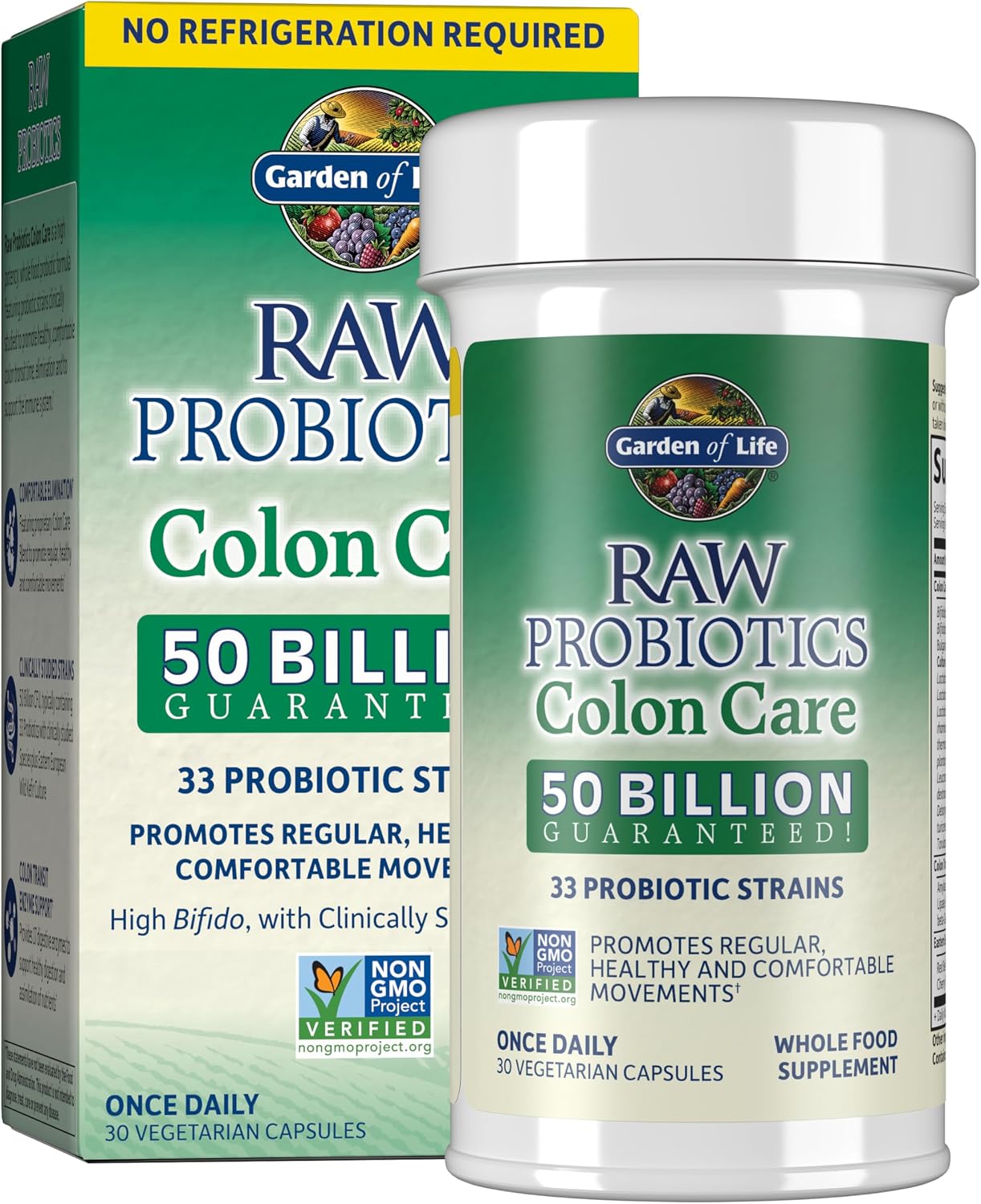
Garden of Life Probiotics for Women and Men - Raw Probiotics Colon Care
Bifidobacterium longum