
Probiotics show potential benefits for skin health, particularly in wound healing and improving reactive skin conditions, with evidence strongest for certain strains like Limosilactobacillus reuteri and Bifidobacterium longum.
What the research shows
High-quality systematic reviews and randomized controlled trials indicate that probiotics can positively influence wound healing by reducing infection rates, enhancing re-epithelization, and modulating immune responses. Limosilactobacillus reuteri has demonstrated improved healing outcomes after oral and surgical wounds, while Bifidobacterium longum lysate has shown benefits in reducing skin sensitivity and improving skin barrier function in reactive skin. Topical application of probiotics also shows promise in accelerating wound closure in animal models. However, some studies report mixed or non-significant results, and the effectiveness may depend on the probiotic strain, wound type, and application method. Safety profiles are generally favorable with no serious adverse effects reported.
Best studied probiotic strains
Limosilactobacillus reuteri
Evidence supports oral administration for surgical and oral wound healing; effects on pain are less clear.
Bifidobacterium longum
Topical application beneficial for sensitive/reactive skin; effects likely related to immune modulation.
Lactobacillus plantarum, Lactobacillus rhamnosus, Bifidobacterium longum (topical)
Promising for topical use but human data are limited.
Escherichia coli Nissle 1917 (bioengineered)
Experimental approach with potential but limited clinical data.
Who may benefit
Safety
No serious adverse effects were reported across studies. Probiotics were generally well tolerated in oral and topical applications. Minor side effects were rare or absent.
Limitations
Evidence varies in quality and is sometimes limited by small sample sizes or pilot study designs. Strain-specific effects are important, and not all probiotics show benefits. More large-scale, well-controlled human trials are needed to confirm efficacy and optimal strains/dosages. Animal studies provide preliminary data but may not fully translate to humans.
PubMed sources
| Study | Type | Year | PMID |
|---|---|---|---|
| Does Probiotic Consumption Enhance Wound Healing? A Systematic Review. Nutrients |
Systematic Review | 2021 | 35010987 |
| Efficacy of Using Probiotics with Antagonistic Activity against Pathogens of Wound Infections: An Integrative Review of Literature. BioMed research international |
Research Study | 2019 | 31915703 |
| Probiotics and Their Effect on Surgical Wound Healing: A Systematic Review and New Insights into the Role of Nanotechnology. Nutrients |
Systematic Review | 2021 | 34959817 |
| Effect of probiotic lozenges containing Lactobacillus reuteri on oral wound healing: a pilot study. Beneficial microbes |
Randomized Controlled Trial | 2018 | 29726282 |
| The Effects of Probiotics, Prebiotics and Synbiotics on Wound Infection: A Systematic Review. Current pharmaceutical biotechnology |
Systematic Review | 2025 | 38818910 |
| Limosilactobacillus reuteri Improves Healing Following Fully Impacted Tooth Extractions: Randomized Clinical Trial. Oral diseases |
Randomized Controlled Trial | 2025 | 40652540 |
| The 3-D configuration of excisional skin wound healing after topical probiotic application. Injury |
Research Study | 2022 | 35148901 |
| Effects of -containing lozenges on healing after surgical removal of mandibular third molars: a randomised controlled trial. Beneficial microbes |
Randomized Controlled Trial | 2019 | 31157556 |
| Bioengineered probiotics derived bacterial extracellular vesicle as bioactive nanocarrier for the local VEGF expression to accelerate wound healing. Journal of nanobiotechnology |
Research Study | 2026 | 41724969 |
| Bifidobacterium longum lysate, a new ingredient for reactive skin. Experimental dermatology |
Randomized Controlled Trial | 2010 | 19624730 |
Products containing microorganisms linked to this analysis
These products contain microorganisms identified in the research analysis above.
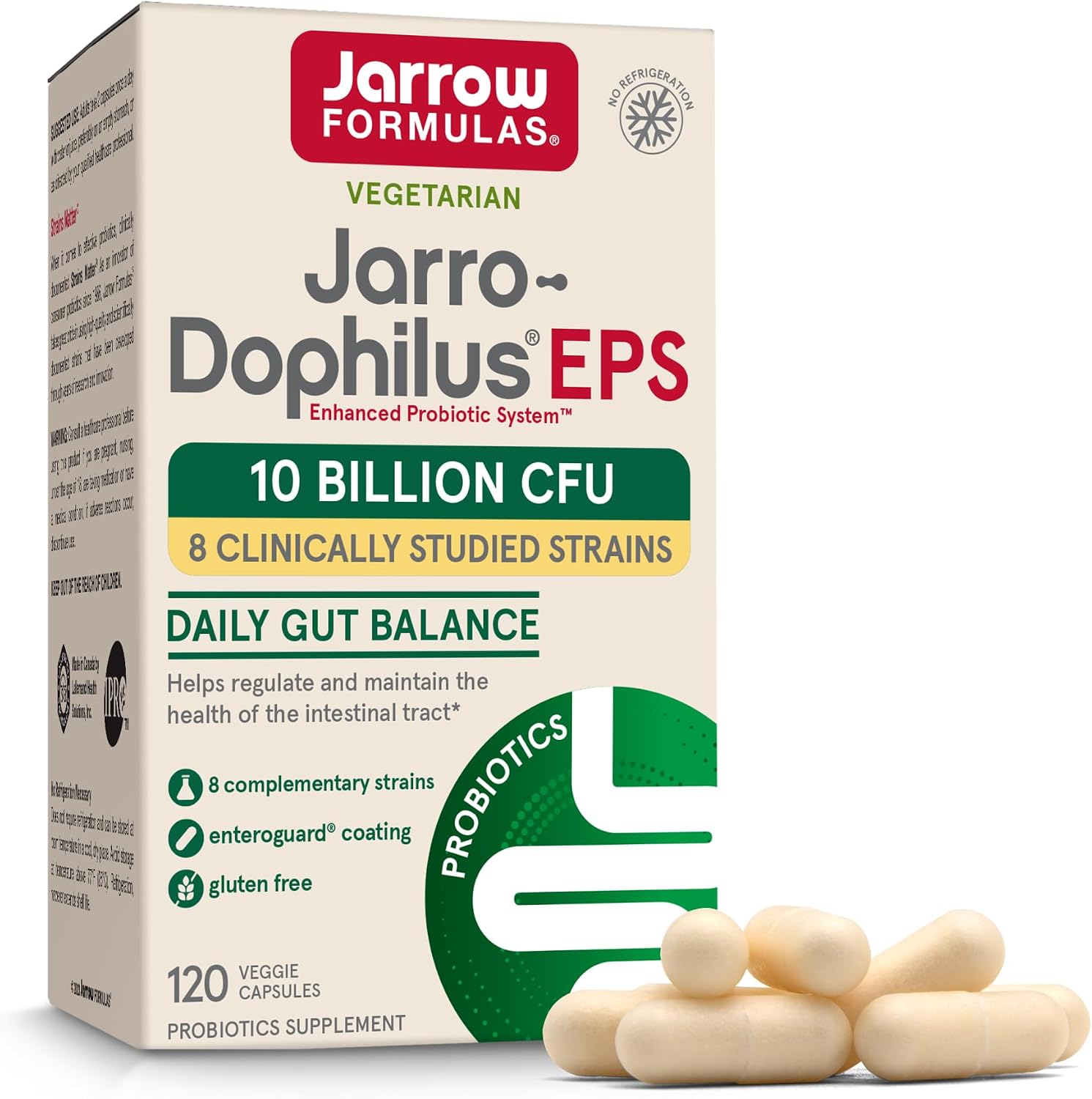
Jarrow Jarro Dophilus Probiotics
Bifidobacterium longum BB536
Strain code: BB536
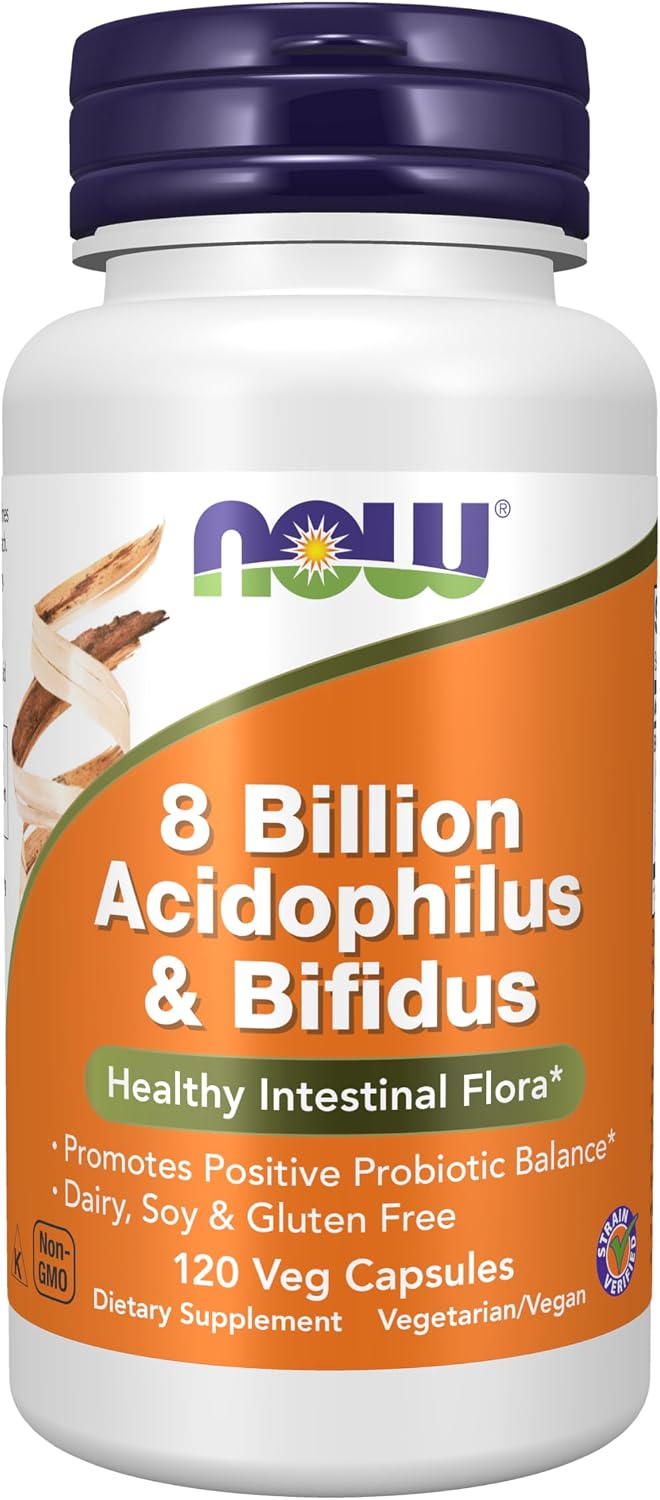
NOW Foods Supplements Acidophilus & Bifidus
Bifidobacterium longum Bl-05
Strain code: Bl-05
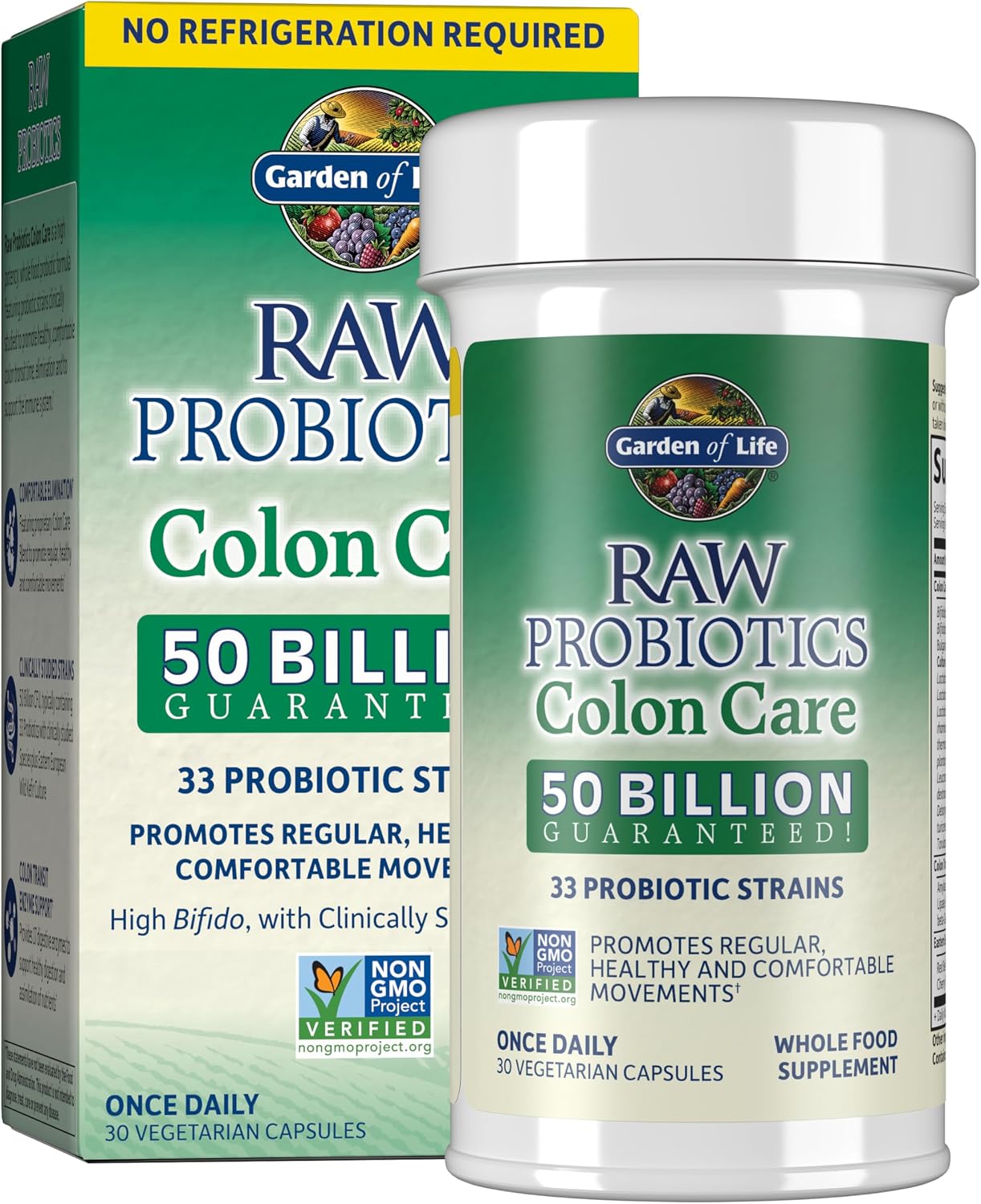
Garden of Life Probiotics for Women and Men - Raw Probiotics Colon Care
Bifidobacterium longum