
Research on probiotics and depression shows mixed results. Some specific probiotic strains may improve depressive symptoms, sexual function in depressed women, and cognitive function, but evidence is inconsistent and strain-specific effects vary.
What the research shows
High-quality randomized controlled trials (RCTs) and meta-analyses provide mixed evidence on probiotics for depression. Bifidobacterium bifidum combined with SSRIs improved sexual function and depressive symptoms in women. Lactiplantibacillus plantarum PS128 showed no significant effect on depressive symptoms in a small RCT. Limosilactobacillus reuteri did not improve depressive symptoms in overweight patients with inflammation, though a biomarker (formic acid) was linked to response. A meta-analysis found probiotics may improve cognition but had negligible effect on depressive symptoms overall. Low-evidence studies and reviews suggest potential benefits of various strains including Bifidobacterium longum and Lactobacillus spp., but more standardized, larger trials are needed. Safety appears acceptable but long-term effects require further study.
Best studied probiotic strains
Bifidobacterium bifidum
Used as adjunct to SSRIs; effects on sexual function and depression severity observed; specific to women under SSRI treatment.
Lactiplantibacillus plantarum PS128
No significant clinical improvement in depression; further research with larger samples needed.
Limosilactobacillus reuteri
No overall effect on depression; possible biomarker identified; more research needed.
Bifidobacterium longum
No direct depression symptom improvement reported; focus on liver health in depression.
Who may benefit
Safety
Probiotics studied were generally well tolerated with no major safety concerns reported. However, long-term safety data and effects in diverse populations remain limited.
Limitations
Evidence is limited by heterogeneity in strains, dosages, intervention durations, and outcome measures. Many studies have small sample sizes or short durations. Some findings are preliminary or secondary analyses. Effects appear strain-specific and may not generalize. More large-scale, standardized RCTs are needed to confirm efficacy and safety.
PubMed sources
| Study | Type | Year | PMID |
|---|---|---|---|
| The Role of Gut Microbiota in Anxiety, Depression, and Other Mental Disorders as Well as the Protective Effects of Dietary Components. Nutrients |
Research Study | 2023 | 37513676 |
| Adjuvant administration of probiotic effects on sexual function in depressant women undergoing SSRIs treatment: a double-blinded randomized controlled trial. BMC psychiatry |
Randomized Controlled Trial | 2024 | 38216917 |
| Gut emotions - mechanisms of action of probiotics as novel therapeutic targets for depression and anxiety disorders. CNS & neurological disorders drug targets |
Systematic Review | 2014 | 25470391 |
| The effects of Lactobacillus plantarum PS128 in patients with major depressive disorder: an eight-week double-blind, placebo-controlled study. Asian journal of psychiatry |
Randomized Controlled Trial | 2024 | 39232392 |
| The psychobiotic revolution: comprehending the optimistic role of gut microbiota on gut-brain axis during neurological and Gastrointestinal (GI) disorders. World journal of microbiology & biotechnology |
Research Study | 2025 | 41129047 |
| Efficacy of spp. Interventions to Modulate Mood Symptoms: A Scoping Review of Clinical Trials. International journal of molecular sciences |
Research Study | 2025 | 40869419 |
| From isoniazid to psychobiotics: the gut microbiome as a new antidepressant target. British journal of hospital medicine (London, England : 2005) |
Research Study | 2019 | 30860919 |
| Probiotics may be useful for drug-induced liver dysfunction in patients with depression - A secondary analysis of a randomized clinical trial. Clinical nutrition ESPEN |
Randomized Controlled Trial | 2024 | 39089652 |
| Effect of probiotic supplementation on cognition and depressive symptoms in patients with depression: A systematic review and meta-analysis. Medicine |
Meta-analysis | 2023 | 38013351 |
| Add-on probiotics for inflammatory depression - A double-blind randomized placebo-controlled trial. Brain, behavior, and immunity |
Randomized Controlled Trial | 2025 | 40484149 |
Products containing microorganisms linked to this analysis
These products contain microorganisms identified in the research analysis above.
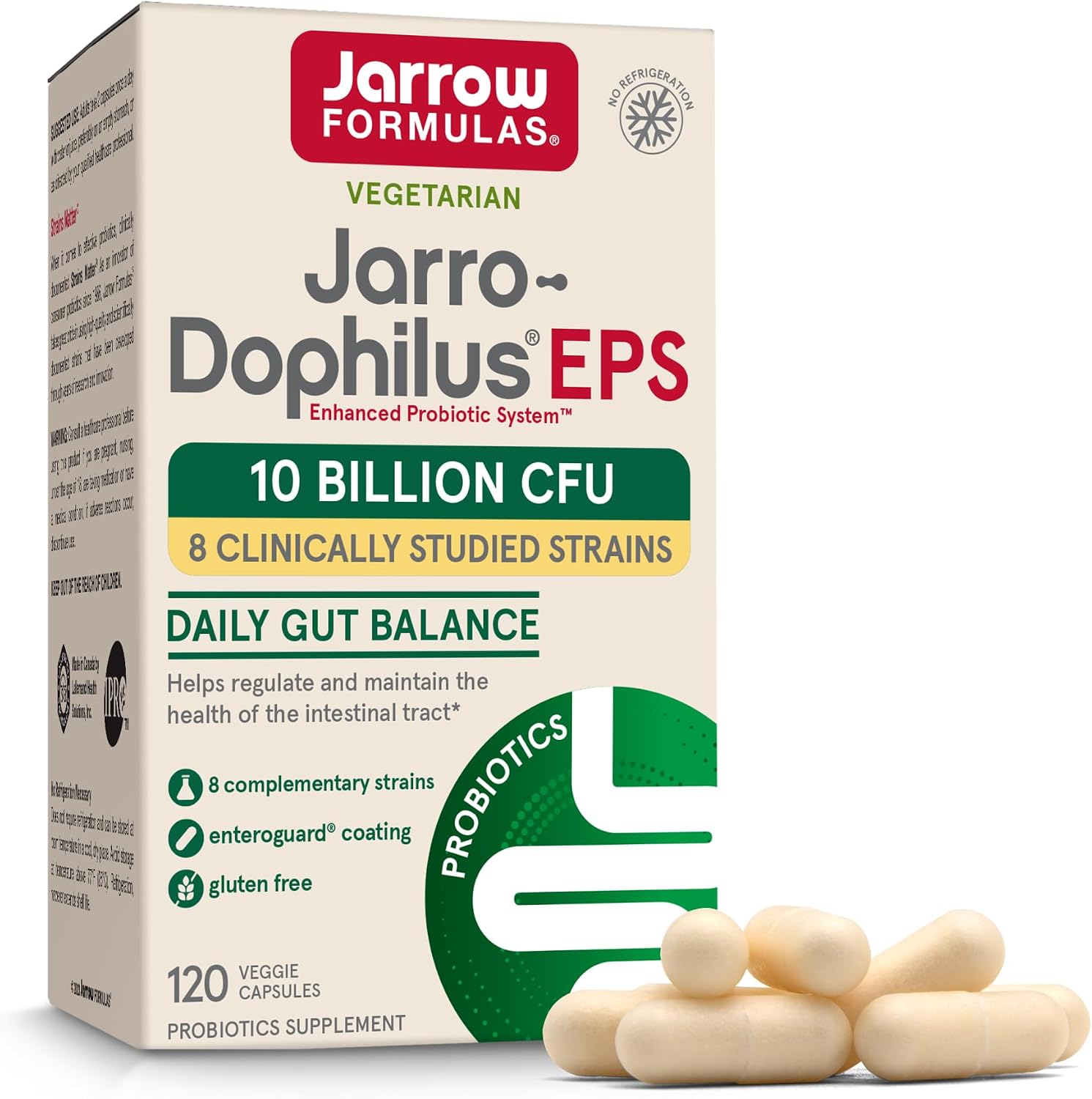
Jarrow Jarro Dophilus Probiotics
Bifidobacterium longum BB536
Strain code: BB536
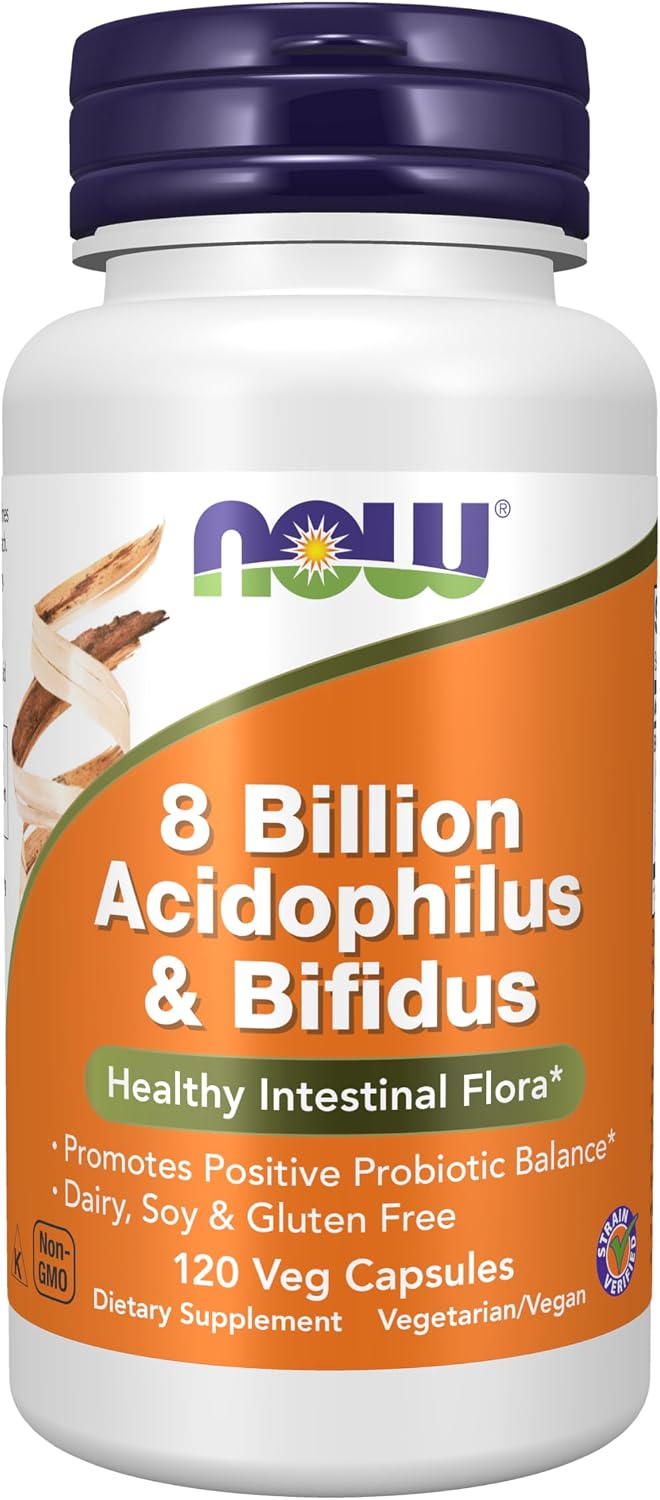
NOW Foods Supplements Acidophilus & Bifidus
Bifidobacterium longum Bl-05
Strain code: Bl-05
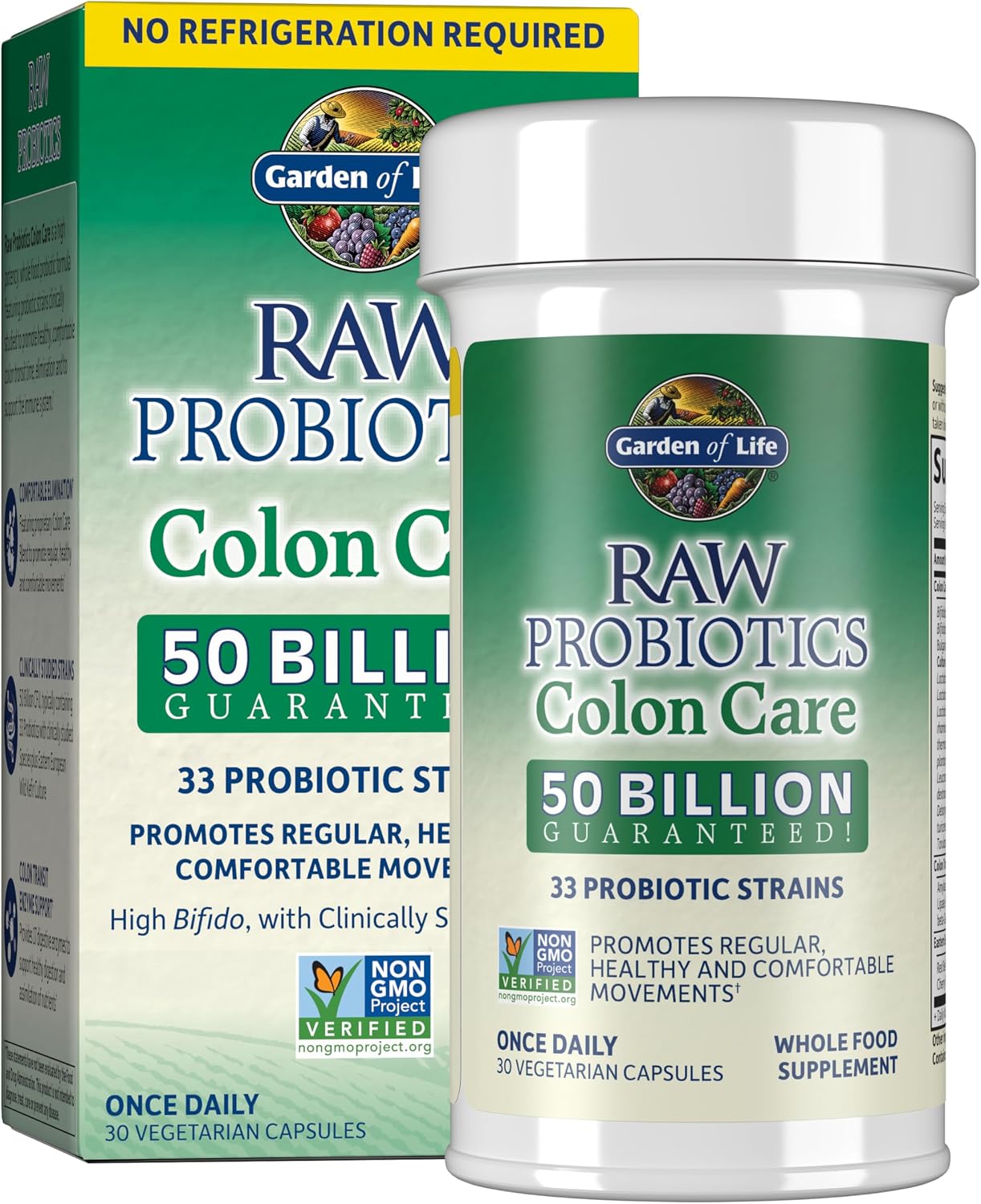
Garden of Life Probiotics for Women and Men - Raw Probiotics Colon Care
Bifidobacterium longum