
Lactobacillus rhamnosus shows some evidence of benefit for certain skin problems such as atopic dermatitis and possibly pediatric atopic eczema, but evidence for acne vulgaris is mixed and not conclusive.
What the research shows
High-quality randomized controlled trials and meta-analyses indicate that Lactobacillus rhamnosus may reduce symptoms of atopic dermatitis in children, with significant improvements in SCORAD scores after 8 weeks of treatment (PMID: 26733351). For pediatric atopic dermatitis prevention, Lactobacillus rhamnosus combined with other probiotics probably reduces risk based on moderate-quality evidence (PMID: 33811784). However, for acne vulgaris, evidence is mixed: one RCT showed improved outcomes when probiotics were combined with doxycycline (PMID: 39410868), and another trial with Lacticaseibacillus rhamnosus showed some improvement in non-inflammatory lesions (PMID: 38751177). Conversely, a meta-analysis found no significant benefit of Lactobacillus-based probiotics on acne lesion counts compared to placebo or benzoyl peroxide (PMID: 41853869). For eczema treatment, probiotics including Lactobacillus strains probably make little or no difference in patient-rated symptoms and quality of life (PMID: 30480774). Safety profiles across studies were generally good with no significant adverse effects reported. Limitations include heterogeneity of probiotic strains, doses, and study designs, as well as some low to moderate quality evidence and small sample sizes in some trials.
Best studied probiotic strains
Lactobacillus rhamnosus
Evidence strongest for atopic dermatitis in children; strain-specific effects important; less clear benefit for acne.
Lacticaseibacillus rhamnosus (CECT 30031)
May be beneficial for acne vulgaris but evidence is limited to one RCT; combined with Arthrospira platensis in study.
Who may benefit
Safety
Probiotics including Lactobacillus rhamnosus were generally safe and well tolerated across studies with no significant increase in adverse events reported. Minor gastrointestinal symptoms were occasionally noted but not significantly different from placebo.
Limitations
Heterogeneity in probiotic strains, doses, and treatment durations; some studies combined Lactobacillus rhamnosus with other probiotics or agents; mixed results especially for acne vulgaris; some evidence based on low to moderate quality studies; small sample sizes in some trials; lack of standardization limits generalizability.
PubMed sources
| Study | Type | Year | PMID |
|---|---|---|---|
| Evaluating the Effectiveness of Probiotic Supplementation in Combination With Doxycycline for the Treatment of Moderate Acne: A Randomized Double-Blind Controlled Clinical Trial. Journal of cosmetic dermatology |
Randomized Controlled Trial | 2025 | 39410868 |
| Comparative effectiveness of probiotic strains on the prevention of pediatric atopic dermatitis: A systematic review and network meta-analysis. Pediatric allergy and immunology : official publication of the European Society of Pediatric Allergy and Immunology |
Meta-analysis | 2021 | 33811784 |
| Probiotics for treating eczema. The Cochrane database of systematic reviews |
Meta-analysis | 2018 | 30480774 |
| Efficacy of probiotic-derived lotion from Lactobacillus paracasei MSMC 39-1 in mild to moderate acne vulgaris, randomized controlled trial. Journal of cosmetic dermatology |
Randomized Controlled Trial | 2022 | 35384257 |
| Lactobacillus-Based Microbiome Therapy for Acne Vulgaris: A GRADE Systematic Review and Meta-Analysis of Randomized Controlled Trials. Journal of cosmetic dermatology |
Meta-analysis | 2026 | 41853869 |
| [Meta analysis of lactic acid bacteria as probiotics for the primary prevention of infantile eczema]. Zhongguo dang dai er ke za zhi = Chinese journal of contemporary pediatrics |
Meta-analysis | 2010 | 20849726 |
| Evaluation of efficacy and safety of Lactobacillus rhamnosus in children aged 4-48 months with atopic dermatitis: An 8-week, double-blind, randomized, placebo-controlled study. Journal of microbiology, immunology, and infection = Wei mian yu gan ran za zhi |
Randomized Controlled Trial | 2017 | 26733351 |
| The prevention effect of probiotics against eczema in children: an update systematic review and meta-analysis. The Journal of dermatological treatment |
Meta-analysis | 2022 | 34006167 |
| A Randomized Clinical Trial to Evaluate the Efficacy of an Oral Probiotic in Acne Vulgaris. Acta dermato-venereologica |
Randomized Controlled Trial | 2024 | 38751177 |
Products containing microorganisms linked to this analysis
These products contain microorganisms identified in the research analysis above.
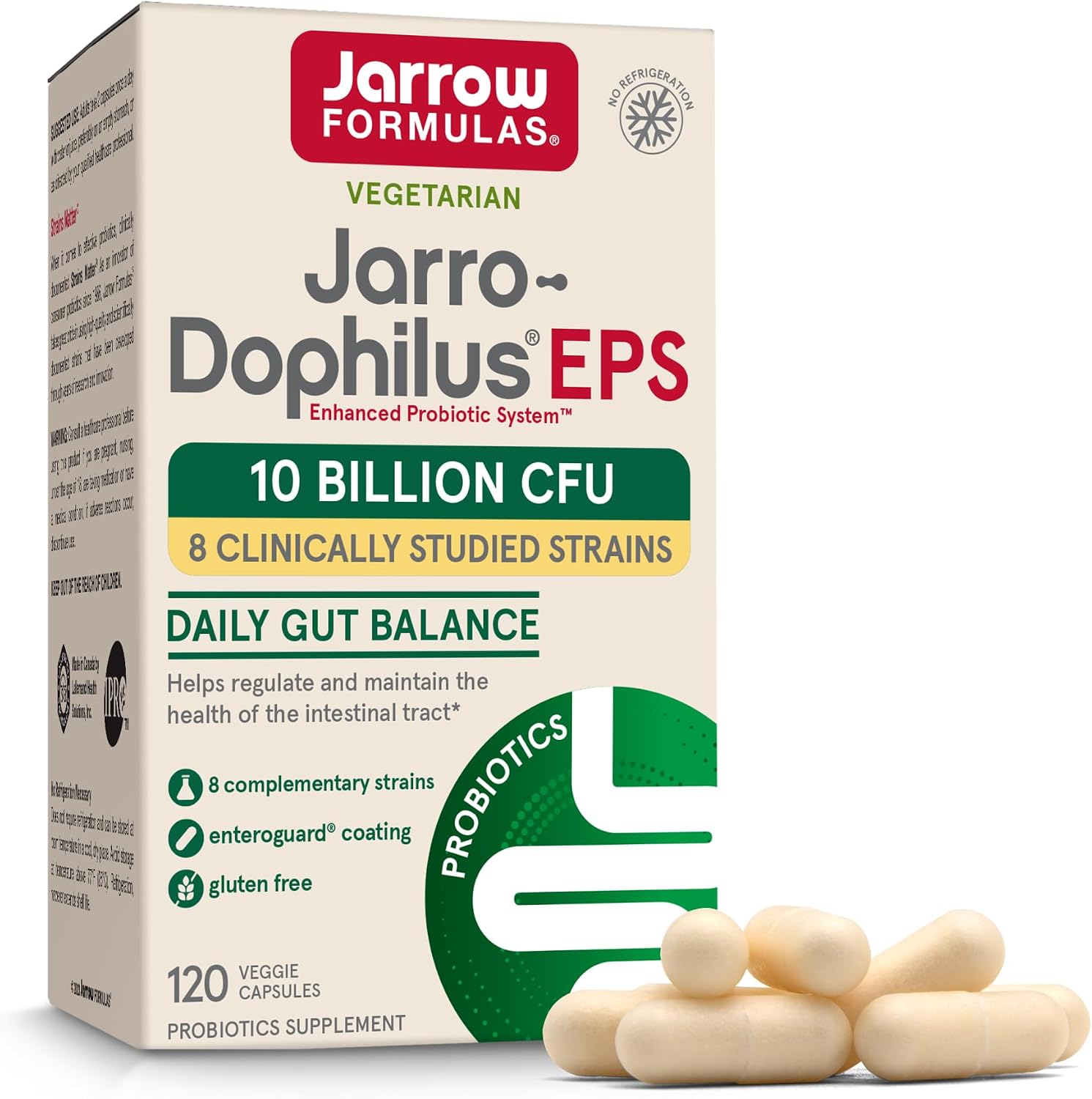
Jarrow Jarro Dophilus Probiotics
Lacticaseibacillus rhamnosus
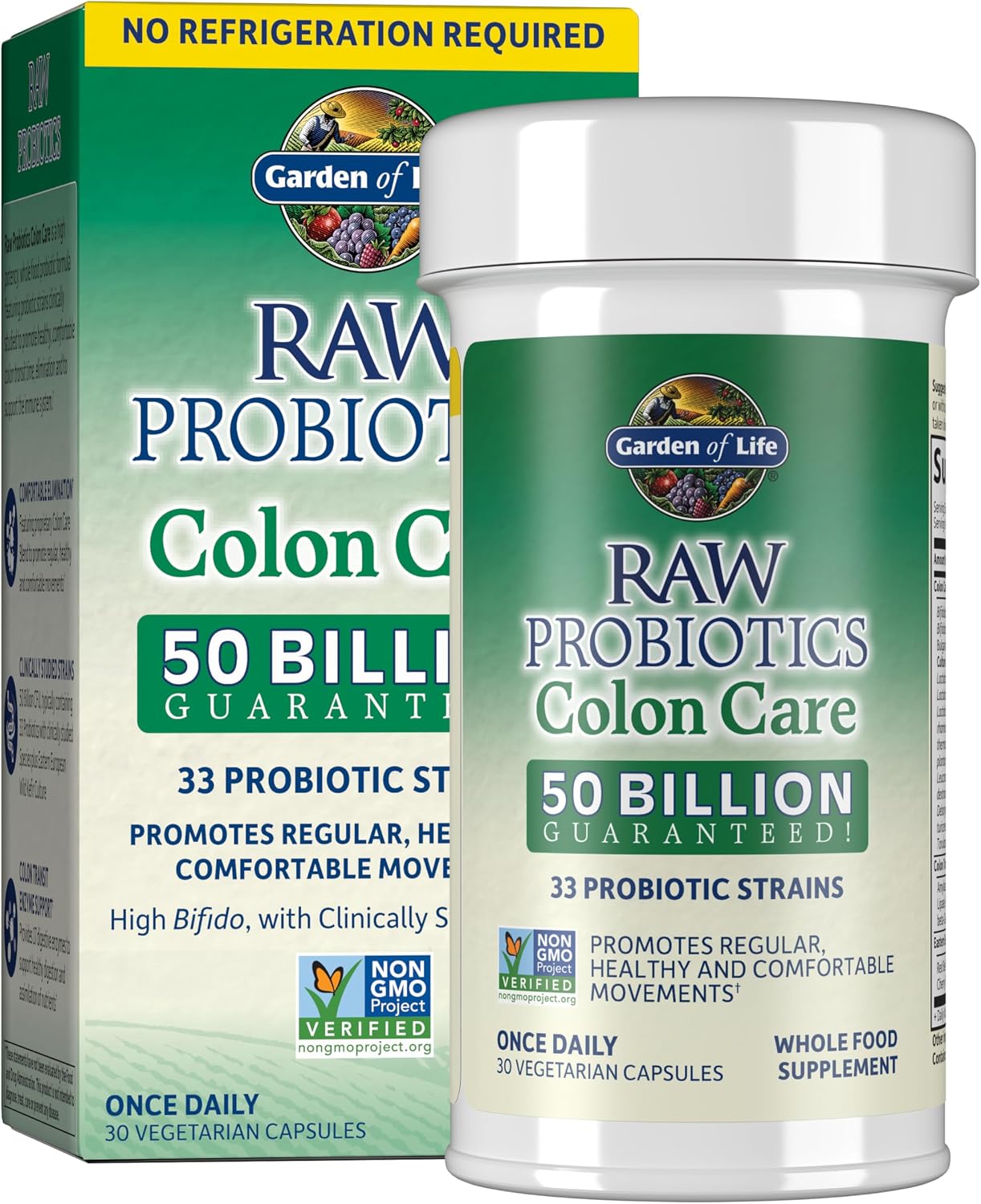
Garden of Life Probiotics for Women and Men - Raw Probiotics Colon Care
Lacticaseibacillus rhamnosus